Global shipping is how goods travel from one country to another. It helps move food, clothes, machines, medicines, and almost everything we use every day. Ships, trucks, trains, and airplanes work together to deliver these items safely and on time.
But have you ever wondered how shipping companies know where a shipment is while it is traveling across oceans and borders?
The answer is GPS tracking.
GPS tracking has changed global shipping in a big way. It helps shipping companies see where goods are, keep them safe, and deliver them faster. In this blog, we will explain what GPS tracking is, how it works, and why it is so important in global shipping, using simple words and real-life examples.
What Is GPS Tracking?
GPS stands for Global Positioning System. It is a technology that uses satellites in space to find the exact location of an object on Earth.
When a GPS tracker is placed on a ship, truck, container, or cargo box, it sends location data to a computer or mobile device. This tells shipping companies:
Where the shipment is
How fast it is moving
When it will arrive
If it has stopped or changed route
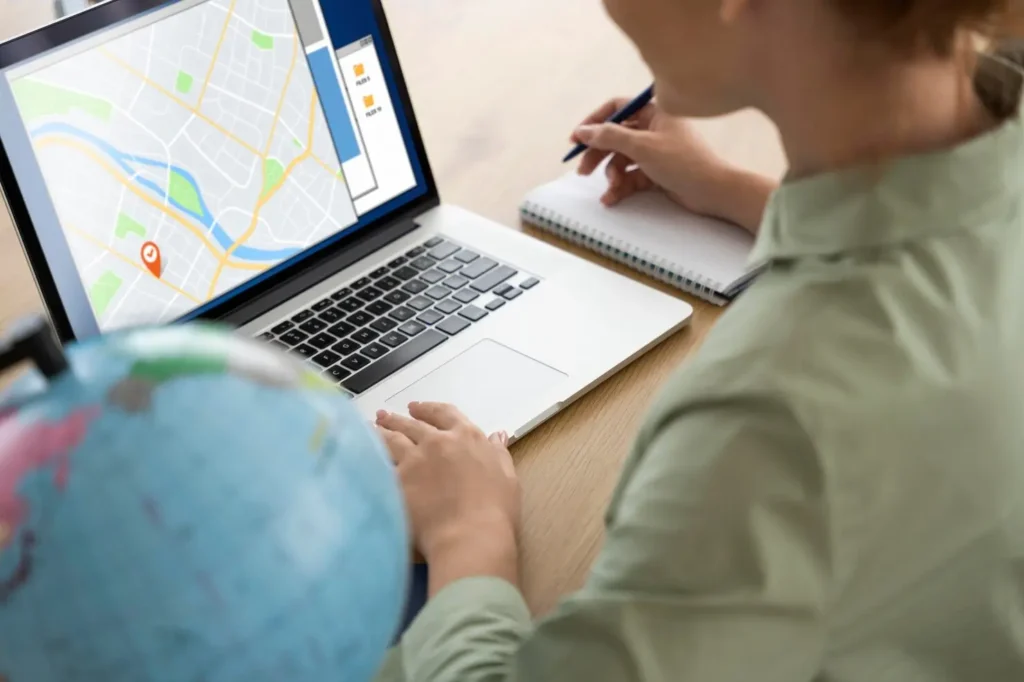
Think of GPS like a map app on your phone, but instead of tracking a car or person, it tracks shipping containers and vehicles across the world.
Why GPS Tracking Is Important in Global Shipping?
Global shipping is complex. Goods travel long distances and pass through many countries, ports, and checkpoints. Without GPS tracking, it would be very hard to know what is happening during the journey.
Here’s why GPS tracking matters so much:
Shipments travel for weeks, not hours
Goods can be expensive or fragile
Delays can cause big financial losses
Customers want updates in real time
GPS tracking solves these problems by giving clear visibility from start to finish.
How GPS Tracking Works in Shipping?
GPS tracking works in a simple way:
A GPS device is attached to a container, ship, truck, or cargo
Satellites send signals to the device
The device sends location data to a system using the internet or mobile networks
Shipping companies and customers can see the location on a screen
This process repeats every few seconds or minutes, depending on the system used.
Real-Time Shipment Visibility
One of the biggest benefits of GPS tracking is real-time visibility.
This means shipping companies can see:
Where the shipment is right now
Whether it is moving or stopped
If it is on the correct route
Why This Matters?
In the past, companies had to wait for phone calls or paperwork updates. Now, they can simply open a system and check the shipment’s location.
This helps with:
Better planning
Faster decision-making
Fewer surprises
For customers, this means less stress and more trust.
Better Delivery Time Estimates
GPS tracking helps shipping companies give accurate delivery times.
By knowing:
Current location
Speed of travel
Traffic or weather conditions
Companies can predict when the shipment will arrive more accurately.
Example
If a ship is delayed due to bad weather, GPS data shows this immediately. The company can inform the customer early instead of waiting until the last minute.
Improved Safety and Security
Global shipping involves valuable goods. GPS tracking helps keep shipments safe.
How GPS Improves Security?
Alerts if a shipment goes off route
Detects unauthorized stops
Helps recover lost or stolen cargo
Reduces chances of theft
If something unusual happens, companies can take action quickly.
This is especially important for:
Electronics
Medicines
High-value machinery
Confidential shipments
Reducing Loss and Damage
When goods are lost or damaged, companies lose money and customers lose trust.
GPS tracking helps reduce these risks by:
Monitoring how goods are handled
Showing where damage might have occurred
Identifying problem routes or ports
Some GPS systems also track:
Temperature
Humidity
Shocks or movement
This is very helpful for food, medicine, and fragile items.
Better Route Planning
GPS data helps companies find the best routes.
By studying past journeys, shipping companies can learn:
Which routes are faster
Which areas cause delays
Where fuel is wasted
This leads to:
Faster deliveries
Lower fuel costs
Less environmental impact
Better routes mean better service for everyone.
Cost Savings for Shipping Companies
GPS tracking may sound expensive, but it actually helps save money.
How GPS Reduces Costs?
Less fuel waste
Fewer lost shipments
Reduced delays
Lower insurance claims
Better use of vehicles
When companies save money, they can offer better prices to customers.
Improved Customer Experience
Customers today expect updates. They want to know where their shipment is and when it will arrive.
GPS tracking allows shipping companies to:
Share live tracking links
Send automatic updates
Answer customer questions quickly
This builds trust and long-term relationships.
Happy customers are more likely to use the same shipping company again.
GPS Tracking in Different Types of Global Shipping
1. Sea Freight
In sea freight GPS tracking is widely used in ships and containers. It helps track cargo across oceans and ports.
Benefits include:
Monitoring long journeys
Managing port delays
Tracking container location
2. Air Freight
In air freight GPS helps track cargo from airport to airport. It is especially useful for urgent or time-sensitive shipments.
3. Road Freight
Trucks use GPS to:
Avoid traffic
Track driver behavior
Improve delivery schedules
4. Rail Freight
GPS helps monitor trains carrying goods across countries and borders.
GPS Tracking and Customs Clearance
Customs clearance can slow down shipping. GPS tracking helps by:
Showing arrival times accurately
Preparing documents in advance
Reducing waiting time at borders
This makes the shipping process smoother and faster.
Supporting Global Supply Chains
Global supply chains depend on good communication and planning.
GPS tracking supports supply chains by:
Connecting suppliers, warehouses, and buyers
Reducing delays between steps
Improving inventory planning
This is very important for industries like:
Retail
Manufacturing
Healthcare
Automotive
Environmental Benefits of GPS Tracking
GPS tracking also helps protect the environment.
By improving routes and reducing fuel waste, companies can:
Lower carbon emissions
Reduce unnecessary travel
Support greener shipping practices
Small changes across many shipments can make a big difference.
Challenges of GPS Tracking in Shipping
While GPS tracking is powerful, it also has challenges:
Signal loss in remote areas
Equipment costs
Data security concerns
However, technology continues to improve, making GPS tracking more reliable and affordable every year.
The Future of GPS Tracking in Global Shipping
GPS tracking will continue to evolve.
Future improvements may include:
More accurate real-time data
Better integration with AI systems
Smarter predictions and alerts
As global trade grows, GPS tracking will remain a key tool in modern shipping.
Why GPS Tracking Matters More Than Ever?
In today’s fast-moving world, shipping delays can affect businesses and daily life. GPS tracking helps ensure goods move smoothly across borders and oceans.
It brings:
Transparency
Efficiency
Safety
Trust
For global shipping companies, GPS tracking is no longer optional. It is essential.
Are You Looking for Trsuted and Reliable International Shipping Services?
Ship smarter with full visibility.
ISLO Logistics uses advanced GPS tracking to keep your global shipments safe, on time, and fully traceable from origin to destination.
Get in touch with ISLO Logistics for shipping you can trust.
FAQ’s About GPS Tracking in Global Shipping
1. What is GPS tracking in global shipping?
GPS tracking uses satellites to monitor the real-time location of shipments as they move across countries and oceans.
2. Can customers track their shipments using GPS?
Yes. Many shipping companies provide live tracking links so customers can see where their shipment is at any time.
3. Is GPS tracking safe and reliable?
Yes. Modern GPS systems are highly reliable and widely used across the global shipping industry.
4. Does GPS tracking increase shipping costs?
While there is a setup cost, GPS tracking often reduces overall expenses by preventing delays, losses, and fuel waste.
5. Which shipments benefit most from GPS tracking?
High-value, fragile, time-sensitive, and international shipments benefit the most from GPS tracking.