If you run a business that sells products, you are also in the business of moving those products. They must be stored safely, packed carefully, shipped on time, tracked properly, and delivered to the right customer. Each of these steps may sound simple, but in real life, they involve contracts, deadlines, regulations, and costs. This is where third-party logistics companies, commonly called 3PL companies, come into the picture.
A 3PL company is a professional service provider that helps businesses handle logistics operations. Instead of managing warehouses, trucks, shipping paperwork, and returns on your own, you hire a 3PL to do it for you. From a legal and business point of view, this is similar to hiring an accountant to manage finances or a lawyer to manage compliance. You are not giving up control of your business. You are assigning specialized work to specialists.
In this article, we will carefully explain what services 3PL companies offer, why those services matter, and how they protect businesses from costly mistakes. Everything is explained in plain language, step by step, so it is easy to understand—even if logistics is new to you.
Read more: 3PL Services: The Complete Guide to Third-Party Logistics
Understanding the Role of a 3PL Company
To understand the services, it is important to first understand the role of a 3PL company. A 3PL acts as a bridge between your business and your customers. It sits in the middle of your supply chain and ensures that goods move smoothly from one point to another.
Legally speaking, a 3PL usually operates under a service agreement. This agreement defines responsibilities such as storage, handling, shipping, timelines, liability, and insurance. In simple terms, the 3PL promises to take care of your goods with reasonable care and deliver them according to agreed terms.
From a business perspective, this arrangement reduces risk, saves time, and allows companies to focus on what they do best—selling and growing—rather than worrying about trucks, warehouses, and shipping errors.
Read more: What Is 3PL? A Beginner’s Guide to Third-Party Logistics
Warehousing and Storage Services
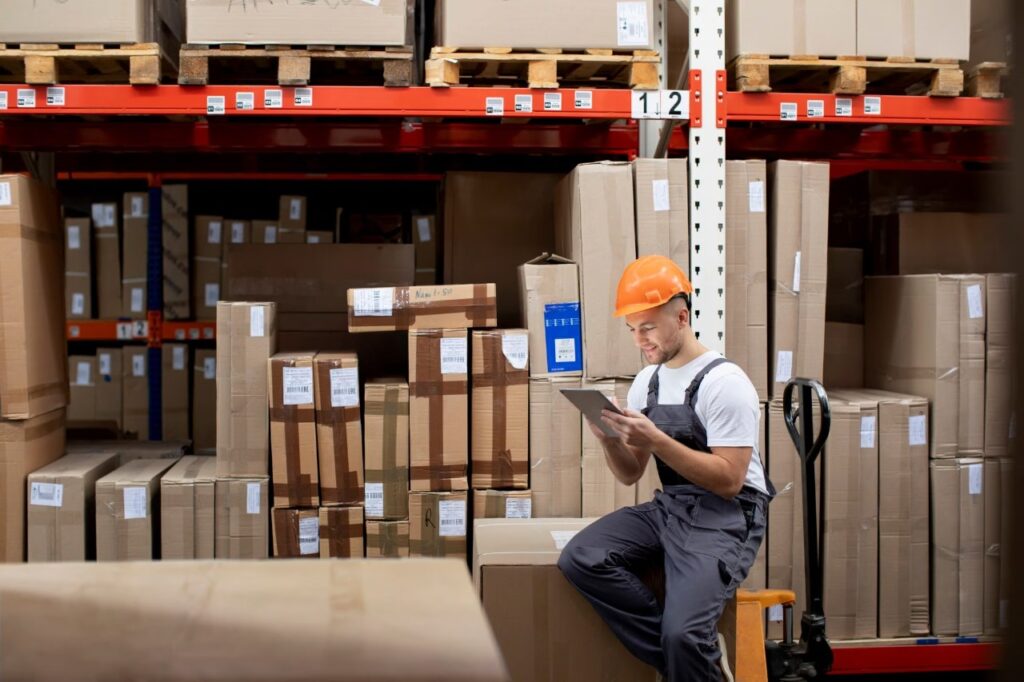
One of the most important services offered by 3PL companies is warehousing. Warehousing means storing goods in a safe, organized, and legally compliant facility until they are needed.
A professional 3PL warehouse is not just a big room with shelves. It is a controlled environment with security systems, inventory software, trained staff, and safety procedures. Goods are recorded when they arrive, tracked while they are stored, and carefully prepared when they are shipped.
From a legal standpoint, warehousing matters because businesses are responsible for their goods even when customers do not see them. If items are damaged, lost, or stored improperly, it can lead to disputes, refunds, or legal claims. A reliable 3PL reduces these risks by following documented procedures and industry standards.
Warehousing services are especially helpful for businesses that sell online, import goods, or experience seasonal demand. Instead of renting expensive storage space, they pay only for the space they use.
Inventory Management and Control
Closely related to warehousing is inventory management. Inventory management means knowing exactly what products you have, where they are stored, and when they need to be restocked.
3PL companies use advanced inventory systems to track goods in real time. When products enter the warehouse, they are scanned and recorded. When items are shipped, the system updates automatically. This reduces human error and prevents problems like overselling or running out of stock unexpectedly.
From a lawyer’s perspective, good inventory management protects businesses from contractual breaches. If you promise customers fast delivery but do not actually have the product in stock, you may violate consumer protection laws or sales agreements. A 3PL helps ensure that what you promise matches what you can deliver.
Accurate inventory records are also important for audits, tax reporting, and insurance claims. A professional 3PL provides reports that help businesses stay compliant and organized.
Order Fulfillment Services
Order fulfillment is the process of taking a customer order and turning it into a delivered product. This includes picking the item from storage, packing it securely, labeling it correctly, and handing it over to the shipping carrier.
3PL companies specialize in fast and accurate order fulfillment. Their staff are trained to follow standardized processes that reduce mistakes. Orders are handled systematically, which is especially important for businesses receiving hundreds or thousands of orders per day.
From a legal and customer-service point of view, fulfillment errors can be costly. Sending the wrong item, missing a delivery deadline, or damaging a product can result in refunds, chargebacks, or negative reviews. A reliable 3PL reduces these risks by using checks, systems, and accountability.
For growing businesses, professional fulfillment also ensures scalability. Whether you ship ten orders a day or ten thousand, a 3PL can adjust operations without disrupting service.
Transportation and Shipping Services
Transportation is one of the most visible services offered by 3PL companies. It includes moving goods from warehouses to customers or from suppliers to warehouses.
3PL providers work with multiple carriers, including local couriers, national trucking companies, and international freight services. Because of these partnerships, they can often negotiate better shipping rates than individual businesses can achieve on their own.
Legally, shipping involves contracts, liability, delivery terms, and sometimes international trade laws. A 3PL helps manage these complexities by selecting appropriate carriers, arranging documentation, and tracking shipments.
Shipping services offered by 3PLs usually include domestic shipping, international shipping, express delivery, and freight management. By handling these tasks, the 3PL reduces delays and ensures goods move efficiently through the supply chain.
Freight Forwarding and International Logistics
For businesses that import or export goods, many 3PL companies offer freight forwarding services. Freight forwarding involves coordinating international shipments by air, sea, rail, or road.
This service includes booking cargo space, preparing shipping documents, arranging customs clearance, and ensuring compliance with international regulations. From a legal perspective, international logistics is highly regulated. Mistakes in documentation can lead to fines, delays, or seizure of goods.
A knowledgeable 3PL understands customs rules, trade laws, and country-specific requirements. This expertise protects businesses from legal trouble and ensures smooth cross-border movement.
Freight forwarding services are especially valuable for small and medium-sized businesses that lack in-house international shipping expertise.
Customs Clearance and Compliance Support
Customs clearance is a critical part of international logistics. It involves declaring goods to customs authorities, paying duties and taxes, and complying with import and export laws.
Many 3PL companies either provide customs brokerage services directly or work closely with licensed customs brokers. They help ensure that all paperwork is accurate and submitted on time.
From a lawyer’s viewpoint, customs compliance is not optional. Errors can result in penalties, shipment delays, or legal disputes. A professional 3PL reduces this risk by staying updated on regulations and handling documentation carefully.
This service gives business owners peace of mind, knowing that their goods are moving legally and efficiently across borders.
Packaging and Repackaging Services
Packaging is more than just putting products in a box. It involves protecting goods, meeting carrier requirements, and presenting products professionally.
3PL companies offer packaging and repackaging services to ensure products are packed safely and efficiently. This includes choosing the right materials, minimizing damage, and reducing shipping costs through proper sizing.
In some cases, products need to be repackaged to meet customer needs or regulatory standards. A 3PL can handle this without the business having to invest in equipment or staff.
From a legal standpoint, proper packaging reduces liability. Damaged goods can lead to customer complaints, warranty claims, or disputes. Professional packaging helps avoid these issues.
Returns Management and Reverse Logistics
Returns are a normal part of modern commerce, especially in e-commerce. Managing returns, however, can be time-consuming and expensive.
3PL companies offer returns management, also known as reverse logistics. This service includes receiving returned items, inspecting them, restocking usable goods, and disposing of damaged items properly.
Legally, consumer protection laws often require businesses to process returns fairly and promptly. A 3PL helps ensure compliance by following clear procedures and maintaining accurate records.
Efficient returns management improves customer satisfaction and reduces losses, making it a valuable service for growing businesses.
Value-Added Logistics Services
Beyond basic logistics, many 3PL companies offer value-added services. These services support marketing, sales, and customer experience.
Examples include labeling, kitting, product assembly, quality inspections, and customized packaging. While these tasks may seem small, they play an important role in branding and compliance.
From a business law perspective, value-added services help companies meet contractual obligations and industry standards without expanding internal operations.
Technology and Reporting Services
Modern 3PL companies rely heavily on technology. They provide clients with dashboards, tracking systems, and detailed reports.
These tools allow businesses to monitor inventory levels, shipment status, delivery times, and costs. Accurate reporting supports decision-making and legal compliance.
In disputes or audits, clear records can make a significant difference. A 3PL’s documentation helps businesses demonstrate accountability and transparency.
Why Businesses Choose 3PL Services?
Businesses choose 3PL services because they save time, reduce costs, and lower risk. Instead of building expensive logistics infrastructure, companies leverage the expertise and resources of a specialized provider.
From a legal and operational point of view, outsourcing logistics also transfers certain responsibilities to professionals who are trained to handle them properly.
For startups, growing companies, and even large enterprises, 3PL services provide flexibility and peace of mind.
Read more: How 3PL Services Work in Global Logistics
Are You Looking for a Reliable 3PL Partner for your Business?
ISLO Logistics provides end-to-end 3PL services designed to keep your supply chain smooth, compliant, and cost-effective. Contact ISLO Logistics and let professionals handle your logistics—so you can focus on growing your business.
FAQ’s About 3PL Services
What does 3PL stand for?
3PL stands for third-party logistics. It refers to companies that handle logistics operations on behalf of other businesses.
Do 3PL companies only work with large businesses?
No. 3PL companies work with small, medium, and large businesses. Their services are scalable to match different needs.
Is using a 3PL legally safe for my business?
Yes, when governed by a proper service agreement. Reputable 3PLs follow industry standards and compliance requirements.
Can a 3PL handle international shipping?
Many 3PL companies offer international logistics, including freight forwarding and customs clearance.
How does a 3PL reduce costs?
3PLs reduce costs by optimizing storage, shipping routes, carrier rates, and labor efficiency.