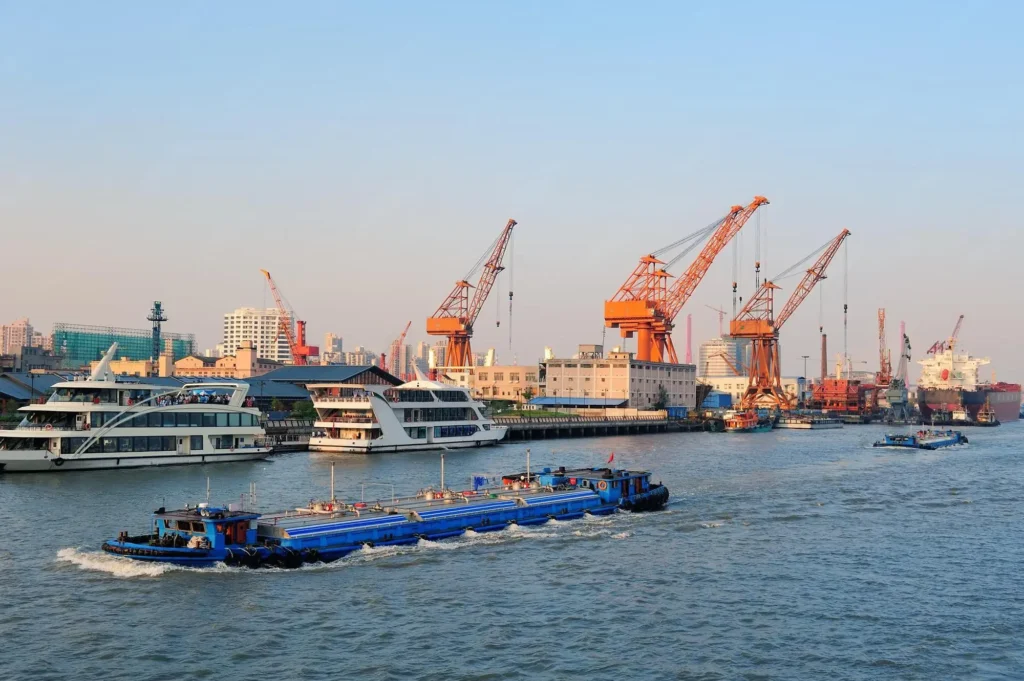
When we look at the world map, it seems huge. Countries sit far apart, separated by thousands of miles of water. Yet every day, ships carry food, clothes, cars, oil, electronics, and many other things across the seas. In fact, most of the world’s trade—around 80% of it—moves through ships. This massive system is called global shipping, and it keeps stores stocked, factories running, and people connected.
But with so many ships traveling across international waters, carrying valuable cargo, and passing through different countries, one big question appears:
Who makes the rules?
This is where maritime law comes in.
Maritime law is a set of rules that keeps the shipping world safe, fair, and organized. It decides how ships operate, how goods should be handled, what to do in emergencies, and how to settle problems at sea.
Let’s explore what maritime law really is and how it guides global shipping in a simple and clear way.
What Is Maritime Law?
Maritime law (also called admiralty law) is a special area of law that deals with anything happening on the ocean, seas, or other navigable waters. It includes:
Shipping rules
Safety regulations
Environmental protection
Rights of ship owners
Rights of workers at sea
Rules for cargo
What happens if ships crash or cause pollution
Imagine you’re driving on a road. There are speed limits, traffic signs, lanes, and police officers to enforce the rules. Without these, chaos would happen. Maritime law works the same way—it is the “traffic law of the sea.”
But because the ocean belongs to no single country, these rules must be agreed upon by many nations together. That’s why maritime law is global.
Why Maritime Law Is Important?
Just think about it: There are more than 50,000 merchant ships around the world. They move day and night. Without clear laws:
Ships could cause accidents
Countries could fight over rights
Shipping companies could act unfairly
Workers could be treated poorly
Dangerous cargo might harm the environment
Maritime law prevents all this by making the seas predictable and safe for everyone.
Here are the key reasons why it matters:
1. It Protects the Environment
Oil spills, chemical leaks, and waste dumping can destroy marine life. Maritime law sets strict rules to prevent pollution.
2. It Keeps Ships and Workers Safe
Sailors work in tough conditions. Laws protect their rights, safety, and working hours.
3. It Ensures Fair Trade
Shipping must be honest and transparent so businesses can trust each other globally.
4. It Helps Solve Disputes
From cargo damage to ship collisions, maritime law provides solutions.
5. It Keeps Global Trade Moving Smoothly
The world depends on ships. Laws keep this huge system organized.
The Main Parts of Maritime Law
Maritime law covers many areas, but here are the main ones:
1. Shipping Contracts (Carriage of Goods by Sea)
Whenever a company sends goods by sea, it signs a shipping contract. This contract includes:
What goods are shipped
The duties of the shipping company
How the goods should be handled
What happens if cargo is damaged
The most important document is the Bill of Lading, which acts as:
A receipt
A contract
Proof of ownership
It ensures trust between buyers, sellers, and shipping companies.
2. Marine Insurance
The ocean can be unpredictable—storms, theft, accidents, and other risks. To protect cargo and ships, companies buy marine insurance. It covers:
Cargo damage
Ship damage
Delays
Loss of goods
Collision
Insurance keeps global trade financially safe.
3. Environmental Protection Laws
To protect oceans, ships must follow international rules, such as:
No dumping of harmful waste
Using cleaner fuels
Following safe routes
Reporting spills
A key global agreement is MARPOL, which stands for Marine Pollution Convention.
4. Safety of Life at Sea (SOLAS)
SOLAS is an international law that ensures ships are built safely and have proper equipment. It covers:
Life jackets
Lifeboats
Fire safety
Navigation systems
Ship structure
This law saves thousands of lives.
5. Rules for Ship Workers (Maritime Labour Convention)
Sailors spend months at sea. The Maritime Labour Convention makes sure they:
Have fair wages
Work safe hours
Get medical care
Have clean living conditions
Receive rest and leave
It treats seafarers with dignity and respect.
6. Collision and Salvage Laws
If two ships crash or one sinks, maritime law decides:
Who is at fault
How damages are paid
Who saves the ship
How rescuers are rewarded
“Salvage law” encourages people to help ships in trouble.
7. Piracy and Security Regulations
Piracy still exists in some areas. Maritime law gives rules for:
Ship security teams
Safe travel routes
What to do during pirate attacks
These rules keep ships and workers protected.
How Global Shipping Works?
Now that we understand maritime law, let’s look at the actual shipping process.
Global shipping connects countries through a large network of:
Ports
Shipping routes
Cargo ships
Container terminals
Customs offices
Logistics companies
Here’s how moving goods across the ocean normally works.
1. Goods Are Packed and Prepared for Shipping
Products are inspected, labeled, and placed in containers. These containers are sealed to prevent tampering.
2. Containers Arrive at the Port
Trucks or trains carry containers to a seaport, where they are:
Checked
Weighed
Loaded into ship terminals
3. The Cargo Is Loaded onto a Ship
Huge cranes lift containers and place them on ships. Modern ships can carry thousands of containers at once.
4. The Ship Travels Along Global Sea Routes
Ships follow safe, approved routes controlled by maritime law. They pass through:
International waters
Straits
Canals
Ports
Navigation systems and weather forecasts guide them.
5. The Ship Reaches the Destination Port
Containers are unloaded and checked. Customs officers ensure everything is legal and safe.
6. Goods Are Delivered to Buyers
Finally, the goods reach supermarkets, stores, factories, or homes.
This entire process relies on maritime law to stay orderly, safe, and efficient.
Common Challenges in Global Shipping
Even with strong laws, shipping faces many challenges:
1. Bad Weather
Storms can slow ships or damage cargo.
2. Port Congestion
If too many ships arrive, delays happen.
3. Piracy in Some Regions
Extra security is needed in risky waters.
4. High Fuel Costs
Shipping becomes more expensive.
5. Environmental Rules
Ships must use cleaner fuel, which costs more.
6. Disputes Over Delays or Damages
Maritime law helps solve these conflicts easily.
Why Maritime Law Will Always Matter?
As global trade grows, so will the need for strong rules. Countries depend on each other more than ever, and shipping is the bridge that connects them.
Maritime law will continue to ensure that:
Ships follow safe practices
Workers are protected
Trade stays fair
The oceans remain clean
Conflicts are resolved peacefully
Without maritime law, global shipping would be unsafe, unfair, and chaotic.
Need Safe, Reliable, and Globally Compliant Shipping?
Choose ISLO Logistics—your trusted partner in worldwide freight movement. We handle your cargo with care, expertise, and complete maritime compliance from port to port.
Contact us today to get a free quote here.
FAQ’s About Maritime Law and Global Shipping
1. What is maritime law?
Maritime law is a set of rules that govern ships, shipping activities, and safety in oceans and seas.
2. Why is maritime law important?
It keeps shipping safe, protects the environment, and ensures fair global trade.
3. What do ships usually carry?
Ships carry everything from food, clothing, machinery, cars, oil, chemicals, electronics, and more.
4. How is cargo protected during shipping?
Through proper packing, sealed containers, marine insurance, and safety laws.
5. What happens if ships collide?
Maritime law decides who is at fault and handles compensation.