
Online shopping has changed the way people buy things. Today, you can order clothes, groceries, electronics, and even furniture with just a few taps on your phone. What many people do not see is the huge system working behind the scenes to make sure that package reaches your door on time and in good condition. This system is called logistics, and e-commerce has pushed it to grow faster and smarter than ever before.
In simple words, logistics is about moving goods from one place to another. In the past, this process was slower and less flexible. Stores ordered products in bulk, kept them on shelves, and customers came to buy them. E-commerce flipped this model. Now customers expect fast delivery, clear tracking, easy returns, and low shipping costs. To meet these expectations, logistics companies have had to innovate in many new ways.
This blog explains how e-commerce is driving logistics innovation in a clear and easy way. Even a 5th grader can understand how online shopping has pushed logistics to become faster, smarter, and more customer-focused.
The Rise of E-Commerce and Its Impact on Logistics
E-commerce did not become big overnight. At first, people were unsure about buying things online. Over time, better internet, smartphones, and secure payments made online shopping normal. Companies like Amazon and Alibaba showed the world that online shopping could be fast and reliable.
As more people started shopping online, logistics companies faced a big challenge. Instead of sending large shipments to stores, they now had to send millions of small packages to individual homes. Each order might be different, with different sizes, weights, and delivery locations. This change forced logistics companies to rethink how they work.
The pressure from e-commerce customers pushed logistics to improve speed, accuracy, and visibility. Customers now expect their orders to arrive in one or two days, sometimes even the same day. They also want to know exactly where their package is at every step. This demand is the main reason logistics innovation has grown so quickly.
Faster Warehouses Through Smart Technology
One of the biggest changes in logistics happened inside warehouses. In the past, workers picked items by hand, wrote things on paper, and packed boxes slowly. With e-commerce orders coming in every second, this old method was no longer enough.
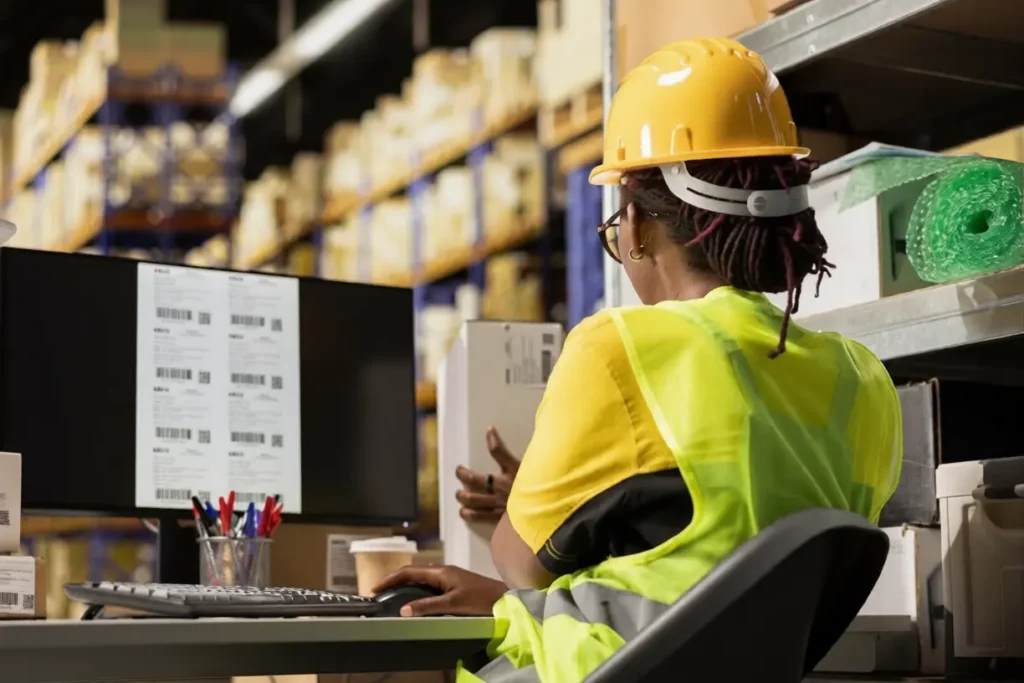
Today, many warehouses use automation and smart technology. Machines help sort packages, move products, and even pack orders. Robots can bring shelves to workers instead of workers walking long distances. This saves time and reduces mistakes. Barcode scanners and smart systems make sure the right item goes into the right box.
These improvements mean that an order placed online can be picked, packed, and ready for shipping in minutes instead of hours. E-commerce pushed warehouses to become faster and more organized because customers do not like waiting.
Better Inventory Management for Online Stores
Inventory management means knowing how much stock you have and where it is. In e-commerce, this is very important. If a product shows as available online but is actually out of stock, customers get upset. This can hurt a brand’s trust.
To solve this problem, logistics companies now use advanced inventory systems. These systems update stock levels in real time. When a customer places an order, the system immediately adjusts the inventory. This helps online stores avoid selling products they do not have.
E-commerce also pushed logistics to use multiple warehouses instead of just one big location. By storing products closer to customers, delivery becomes faster and cheaper. This idea is called distributed warehousing, and it is a direct result of e-commerce growth.
The Challenge of Last-Mile Delivery
Last-mile delivery is the final step of the delivery process, from a local hub to the customer’s door. This is often the most expensive and difficult part of logistics. Traffic, wrong addresses, and customer availability can all cause delays.
E-commerce made last-mile delivery more important than ever. Customers judge their whole shopping experience based on how smoothly this final step goes. Because of this, logistics companies have tried many new ideas.
Some companies use route optimization software to find the fastest delivery paths. Others use local delivery partners to handle nearby orders. In some cities, electric bikes and small vans are used to avoid traffic and reduce pollution. All of these changes happened because e-commerce customers expect quick and reliable delivery.
Real-Time Tracking and Transparency
One major innovation driven by e-commerce is real-time tracking. In the past, once a package left the warehouse, customers had little information about it. Now, people expect to track their order from the moment they click “buy” until it arrives.
Logistics companies now use GPS, scanning systems, and digital platforms to provide live updates. Customers can see when their order is shipped, where it is currently located, and when it will arrive. This transparency builds trust and reduces customer anxiety.
E-commerce platforms also benefit from this data. They can spot delays, improve routes, and fix problems faster. Real-time tracking has become a standard expectation because of online shopping.
Smarter Returns Management
Returns are a normal part of e-commerce. Customers may order the wrong size, change their mind, or receive a damaged item. Handling returns quickly and smoothly is just as important as delivering new orders.
E-commerce forced logistics companies to improve reverse logistics, which is the process of moving goods back from customers to warehouses. Today, many companies offer easy return labels and simple drop-off points. Returned items are inspected, restocked, or recycled faster than before.
A smooth return process makes customers feel safe when shopping online. This trust encourages them to buy more. Logistics innovation in returns management is another result of e-commerce growth.
Data and Artificial Intelligence in Logistics
E-commerce generates a huge amount of data. Every click, order, delivery, and return creates information. Logistics companies now use this data to make smarter decisions.
Artificial intelligence helps predict demand, plan inventory, and manage delivery routes. For example, data can show which products sell more during certain seasons. Logistics teams can prepare stock in advance and avoid delays.
AI can also help spot problems before they happen. If a route is often delayed, the system can suggest a better option. These smart tools help logistics companies work faster and reduce costs, all because e-commerce demands efficiency.
Sustainability and Green Logistics
As e-commerce grew, so did concerns about the environment. More deliveries mean more vehicles, packaging, and emissions. Customers now care about how their orders affect the planet.
Logistics companies responded by innovating in green solutions. Many now use electric vehicles, reusable packaging, and better route planning to reduce fuel use. Warehouses are becoming more energy-efficient with smart lighting and solar power.
E-commerce pushed logistics to balance speed with responsibility. Sustainable logistics is no longer a choice but a requirement for long-term success.
The Role of Third-Party Logistics in E-Commerce
Many online sellers do not handle logistics on their own. Instead, they work with third-party logistics providers, also known as 3PLs. These companies manage storage, packing, shipping, and even returns.
E-commerce growth made 3PL services more important than ever. Small and medium-sized online businesses can now compete with big brands by using professional logistics support. A strong 3PL partner helps sellers focus on marketing and product quality while logistics experts handle deliveries.
This partnership model is another innovation driven by e-commerce. It allows businesses to grow faster without building their own warehouses and delivery networks.
How Innovation Benefits Customers and Businesses?
All these logistics innovations have one main goal: better customer experience. Faster delivery, accurate orders, easy returns, and clear tracking make online shopping enjoyable. Happy customers are more likely to return and recommend a brand to others.
Businesses also benefit from efficient logistics. Lower costs, fewer errors, and better planning help companies grow. E-commerce and logistics now work together as one system, each pushing the other to improve.
The Future of E-Commerce Logistics
E-commerce will continue to grow, and logistics will keep evolving. In the future, we may see more delivery drones, self-driving vehicles, and fully automated warehouses. Technology will make logistics even faster and more reliable.
What will not change is the importance of innovation. As customer expectations rise, logistics companies must keep finding better ways to move goods. E-commerce started this change, and it will continue to shape the future of logistics.
Final Thoughts
E-commerce has completely changed logistics. It turned a slow and simple process into a fast, smart, and customer-focused system. From automated warehouses to real-time tracking and green delivery solutions, innovation is everywhere.
Understanding how e-commerce drives logistics innovation helps businesses make better choices. With the right logistics partner, online sellers can meet customer expectations and grow with confidence.
Looking to Scale your e-Commerce Operations with Reliable Logistics Support?
ISLO Logistics is your trusted 3PL partner, helping online businesses deliver faster, smarter, and better every day.
FAQ’s About How E-Commerce Is Driving Logistics Innovation
How does e-commerce improve logistics speed?
E-commerce increases order volume and customer expectations, pushing logistics companies to use automation, smart routing, and faster warehouses to reduce delivery time.
What is last-mile delivery and why is it important?
Last-mile delivery is the final step of shipping to the customer’s door. It is important because it directly affects customer satisfaction and delivery costs.
Why do e-commerce businesses use 3PL providers?
3PL providers handle storage, shipping, and returns, allowing e-commerce businesses to focus on sales and growth without managing complex logistics themselves.
How does technology help logistics companies?
Technology like AI, data analytics, and real-time tracking helps logistics companies plan better, avoid delays, and improve customer experience.
Is e-commerce logistics environmentally friendly?
Logistics companies are adopting green solutions such as electric vehicles and efficient packaging to reduce the environmental impact of e-commerce deliveries.