
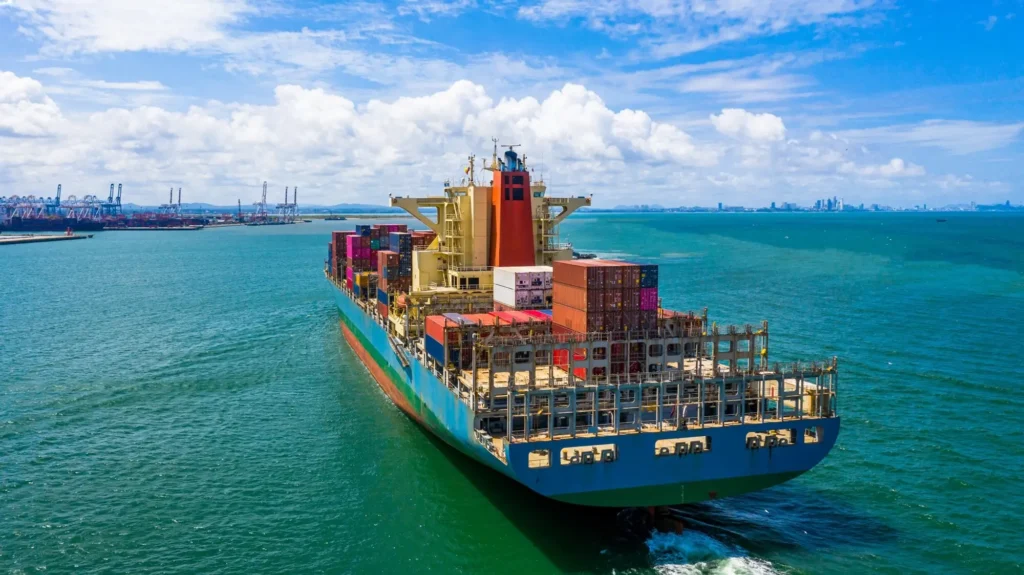
Shipping goods across the ocean is one of the most common and cost-effective ways to move products around the world. Companies of all sizes—from small online stores to large manufacturers—depend on ocean freight to keep their supply chains running smoothly. But as reliable as ocean freight is, sometimes delays happen.
And when they do, it can be stressful.
A delay in ocean freight can slow down your business, upset your customers, and increase your costs. But the good news is this: most ocean freight delays can be handled, minimized, or even prevented if you know what to do.
In this detailed guide, we will explain why ocean freight delays happen, how to prepare for them, and what steps you can take to stay in control even when something unexpected occurs. You’ll learn everything in a simple, clear, and practical way—so you can make better decisions and keep your supply chain strong.
1. What Causes Delays in Ocean Freight?
Before learning how to handle delays, it helps to understand what causes them. Ocean shipping involves ships, ports, customs departments, trucking companies, containers, weather, and many other moving parts. If something goes wrong at any step, delays can happen.
Here are the most common reasons:
1.1 Bad Weather
Storms, heavy winds, and rough seas can slow down or stop vessels. Weather is unpredictable, and even large ships must take safer routes.
1.2 Port Congestion
When too many ships arrive at the same port, workers cannot unload them fast enough. The ship must wait in line. This is common in busy seasons such as:
Holidays
Sales seasons
Peak shipping months (August–December)
1.3 Customs Clearance Issues
If paperwork is incomplete, unclear, or incorrect, your cargo may be held at customs. Even small mistakes can cause large delays.
1.4 Shortage of Containers
Sometimes there are not enough empty containers at the port. This is called a container imbalance and happens often after global events like pandemics or economic downturns.
1.5 Mechanical Problems
Ships, cranes, trucks, and port equipment can break down. A small technical problem can slow down an entire supply chain.
1.6 Strikes and Labor Shortages
If port workers, truck drivers, or customs officers go on strike or stop working, shipments can get stuck.
1.7 Routing Changes
Sometimes a ship must change its route due to:
Political issues
Security risks
Port closures
Emergencies These changes can add days or even weeks.
Understanding these causes helps you prepare for delays before they happen.
2. How Ocean Freight Delays Affect Your Business?
A delay in ocean shipping is not just an inconvenience—it can affect your entire business. Here’s how:
2.1 Customer Dissatisfaction
Late deliveries can upset your customers or clients, especially if they depend on your products for their operations.
2.2 Higher Costs
Delays may cause:
Storage fees
Demurrage charges
Detention fees
Extra transportation costs
2.3 Inventory Shortages
If your goods don’t arrive on time, you may run out of stock. This can stop production or reduce sales.
2.4 Supply Chain Disruption
Other parts of your business may slow down if one shipment is late.
The goal is not just to avoid delays—but to manage them smartly so the impact is small.
3. How to Handle Delays in Ocean Freight: Step-by-Step Guide?
Now let’s discuss the most important part: what you can do when a delay happens.
3.1 Step 1: Stay Calm and Gather Information
When you hear about a delay, your job is not to panic—it’s to get accurate information.
Ask your freight forwarder:
Why is the shipment delayed?
How long is the delay expected to last?
Where is the cargo right now?
What options are available?
Good communication is the first step to solving any shipping issue.
3.2 Step 2: Track Your Shipment in Real Time
Modern logistics tools allow you to track your shipment like you track a parcel. Real-time tracking helps you:
Know where your cargo is
Understand why the delay is happening
Plan your next steps Tracking reduces confusion and helps you stay prepared.
3.3 Step 3: Communicate with Your Customers Early
Customers get more upset when they are surprised by delays. It is always better to update them early.
Tell them:
The shipment is delayed
The reason
The new delivery date
When you communicate openly, customers trust you more.
3.4 Step 4: Check Your Documents for Accuracy
Many delays happen because of documentation errors. Make sure:
Commercial invoices
Packing lists
Certificates
Bills of Lading
Permits and licenses are correct and complete.
If you find a mistake early, you can fix it quickly and avoid additional delays.
3.5 Step 5: Work Closely with Your Freight Forwarder
A good freight forwarder like ISLO Logistics can help you handle any shipping delay smoothly. They have experience and contacts that you don’t.
Ask your freight forwarder:
Can the cargo be re-routed?
Can it be moved to a different port?
Can we change the mode of transport?
Are there faster options?
Professionals know how to minimize delays with smart solutions.
3.6 Step 6: Adjust Your Inventory Plans
If you know a shipment will be late, take action so the delay does not hurt your business.
You can:
Use buffer stock (extra inventory)
Increase safety stock for important goods
Rearrange shipments
Use local suppliers temporarily
These steps make sure your customers are not affected.
3.7 Step 7: Prepare a Backup Transportation Plan
If ocean freight is delayed, you can sometimes switch to:
Air freight (fastest)
Rail freight (if available)
Trucking (for regional routes)
This is helpful for time-sensitive cargo.
3.8 Step 8: Review INCOTERMS and Insurance Coverage
Make sure you know:
Who is responsible for the shipment at each stage
Whether delays are covered under your insurance
This protects you financially and legally.
3.9 Step 9: Plan for the Future
Once the delay is handled, look at what you can learn. Ask:
Could this delay have been prevented?
Does my supply chain need more safety stock?
Should I use a more reliable shipping route?
Do I need a better freight partner?
Each delay teaches you how to make your supply chain stronger.
4. How to Prevent Future Ocean Freight Delays?
While some delays are unavoidable, many can be prevented with good planning.
Here’s how:
4.1 Book Your Shipments Early
If you ship during busy seasons, book weeks or months ahead. This helps you avoid:
Port congestion
Container shortages
Higher rates
4.2 Keep Your Documents Organized
Correct paperwork saves days of waiting at customs.
4.3 Choose Reliable Shipping Partners
Work only with experienced freight forwarders who understand international shipping problems.
4.4 Use Multiple Suppliers or Ports
Don’t depend on a single port or source. Spread your risk.
4.5 Stay Updated on Global Shipping News
Events like storms, strikes, and political issues can cause delays. Staying informed helps you adjust early.
4.6 Build a Strong Relationship with Your Freight Forwarder
When your freight partner knows your business well, they can support you faster and more effectively.
5. Best Practices During Severe or Long Delays
Sometimes delays can be long. Here’s what you can do:
5.1 Request Priority Handling
Ask your forwarder for:
Faster unloading
Early booking
Priority loading
5.2 Split Your Shipments
Instead of shipping one large container, divide your cargo into smaller shipments. This reduces risk.
5.3 Consider Using Premium Services
Some carriers offer:
Faster routes
Guaranteed space
Priority clearance
These cost more but reduce delays.
6. Working with a Professional Freight Forwarder Makes All the Difference
Managing delays alone can be difficult. But working with a trusted company like ISLO Logistics makes everything easier.
A reliable freight forwarder helps you:
Predict risks
Track shipments
Manage customs
Choose the best routes
Reduce costs
Handle unexpected delays
Maintain communication
Stay stress-free
You don’t just need a shipping company—you need a real logistics partner.
Facing delays in ocean freight?
Let ISLO Logistics handle everything for you.
We provide reliable global shipping solutions, real-time support, and complete logistics management—so your business keeps moving.
Ship smarter. Ship faster. Ship confidently with ISLO Logistics.
FAQ: Handling Delays in Ocean Freight
1. What should I do first when my ocean shipment is delayed?
Start by contacting your freight forwarder to understand the reason and get updated timelines.
2. Can ocean freight delays be prevented?
Not completely, but many delays can be minimized with early planning, correct paperwork, and choosing reliable logistics partners.
3. How long do ocean freight delays usually last?
Small delays may last a few days, while larger issues like port congestion or storms can take weeks.
4. Who is responsible for delays in ocean shipping?
Responsibility depends on the INCOTERMS used during the shipment. Always check your contract and insurance coverage.
5. Should I switch to air freight during a delay?
If your cargo is urgent, air freight is a fast alternative—but also more expensive.