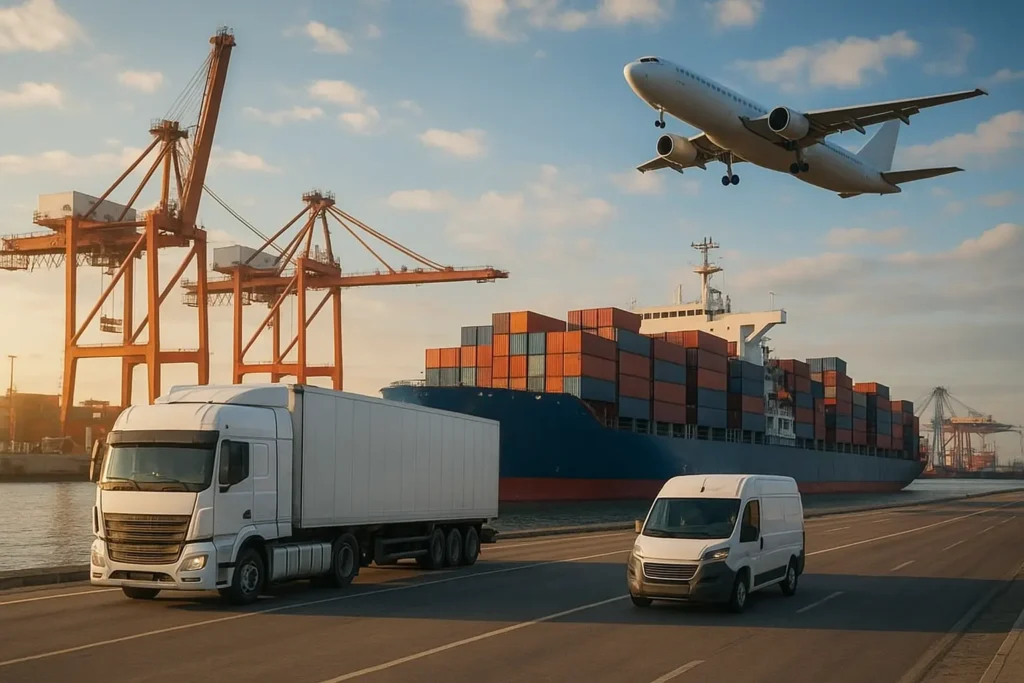
The world of logistics is changing faster than ever. Every year, businesses ship more goods, customers expect faster deliveries, and technology keeps improving. By 2025 and beyond, the logistics industry will face new challenges that will shape how companies move products across cities, countries, and oceans.
If you run a business or work in supply chain management, understanding these challenges can help you stay ahead. And even if you’re new to logistics, this guide will help you learn what’s happening and why companies need strong planning to deliver goods on time.
Let’s explore the major logistics challenges that companies must prepare for in the coming years.
1. Rising Transportation Costs
One of the biggest concerns today—and in the future—is the rising cost of transportation. Moving goods from one place to another has become more expensive for several reasons:
Fuel Prices Keep Changing
Fuel is one of the largest expenses in logistics. Even a small increase affects the price of shipping goods by air, ocean, or road. When fuel prices spike, companies have to pay more, and these costs often get passed down to customers.
Driver Shortages
Many countries, especially the United States, are facing a shortage of truck drivers. Fewer drivers mean higher wages and increased shipping costs. Without enough skilled drivers, deliveries can be delayed, and companies may struggle to meet deadlines.
Higher Maintenance Costs
Keeping trucks, planes, and ships in top condition costs money. Repairs, insurance, and replacement parts are becoming more expensive each year.
Between 2025 and 2030, businesses must find ways to reduce transportation costs by improving planning, combining shipments, and using technology to avoid waste.
2. Complex Global Supply Chains
Global trade continues to grow, but so do the complications that come with it. Companies today often buy raw materials from one country, manufacture products in another, and ship them to customers worldwide.
This creates long supply chains that can easily be disrupted.
Geopolitical Tensions
Trade wars, political conflicts, and sanctions affect international shipping. One small issue in a major shipping region can slow down the movement of goods worldwide.
Port Congestion
Busy ports often struggle to handle the large number of containers arriving every day. When ports are clogged, shipments can be delayed for days or even weeks.
Dependence on a Single Supplier
Some businesses rely heavily on suppliers from one country. If that country experiences a crisis, disaster, or policy change, the entire supply chain suffers.
To succeed in 2025 and beyond, companies must diversify their supply chains, build stronger partnerships, and create backup plans.
3. Technology Adoption and Integration
Technology is transforming logistics, but not all companies are ready for it. New tools can make operations faster and smarter, but they also come with challenges.
High Cost of New Technology
Modern logistics depends on systems like:
Artificial Intelligence (AI)
Automated warehouses
Smart tracking tools
Robotics
Internet of Things (IoT)
These technologies offer major advantages, but they require expensive upgrades and training.
Difficulty Integrating Old and New Systems
Many companies still use outdated software. Mixing old systems with new ones often creates errors or slows down operations.
Lack of Skilled Workers
The industry needs tech-savvy workers who understand analytics, automation, cybersecurity, and digital tools. However, the shortage of skilled labor makes it hard to adopt new technology smoothly.
By 2025, logistics companies must invest in digital tools and train their teams to stay competitive.
4. Environmental Regulations and Sustainability Pressure
Governments and customers are paying more attention to environmental impact. Shipping goods around the world creates carbon emissions, and logistics companies are under pressure to reduce pollution.
Stricter Government Rules
Many countries are introducing laws to control emissions from trucks, ships, and planes. Logistics businesses must upgrade their fleets to cleaner, greener vehicles.
Customer Demand for Eco-Friendly Shipping
More customers want sustainable packaging and carbon-neutral shipping options. Companies that fail to adapt may lose customers to more eco-friendly competitors.
Investment in Green Technology
Going green requires:
Electric trucks
Solar-powered warehouses
Fuel-efficient ships
Eco-friendly packaging
These upgrades can be expensive but are necessary for the future of logistics.
5. Cybersecurity Threats
As logistics becomes more digital, the risk of cyberattacks grows. Hackers target logistics systems because they handle valuable information like shipment data, customer details, and payment records.
Common Cyber Risks
Ransomware attacks on shipping systems
Data breaches
Hacking of tracking systems
Manipulation of delivery information
Impact of Cyberattacks
A single cyberattack can:
Stop deliveries
Delay shipments
Damage a company’s reputation
Cause financial loss
In 2025 and beyond, companies must invest in strong cybersecurity tools and train their staff to recognize online threats.
6. Labor Shortages and Workforce Challenges
The logistics industry depends on hardworking employees such as warehouse workers, drivers, packaging teams, and planners. However, finding and retaining skilled workers has become difficult.
Aging Workforce
Many experienced workers are retiring, and fewer young workers are entering the industry.
Demand for Skilled Labor
Modern logistics jobs require:
Technology skills
Problem-solving abilities
Experience with digital systems
But many applicants lack this necessary training.
Competition for Talent
Companies across the world are fighting for the same talent, making hiring more competitive and expensive.
To overcome this challenge, logistics companies must improve training programs, offer better incentives, and create safer, more attractive workplaces.
7. Unpredictable Customer Expectations
Customers today expect faster deliveries, real-time tracking, and smooth returns. Their expectations are only going to grow in the future.
Demand for Same-Day or Next-Day Delivery
Large companies like Amazon have changed customer expectations. Smaller businesses now struggle to compete with these fast delivery times.
Rise of E-Commerce
Online shopping continues to grow every year. Each order needs packaging, tracking, delivery, and sometimes returns—all of which add pressure to logistics systems.
Personalized Shipping
Customers want more control, including:
Choosing delivery times
Changing addresses
Tracking in real time
Easy return options
Meeting these expectations will be a major challenge for logistics companies in 2025 and beyond.
8. Warehouse Management Issues
Warehouses are the backbone of logistics. But managing them effectively is becoming more complex.
Lack of Space
As e-commerce grows, warehouses need more room to store products. But building new warehouse facilities is costly and slow.
Inventory Management Problems
Keeping track of thousands of items is difficult, especially during peak seasons. Without proper inventory management, companies can run out of stock or oversupply.
Need for Automation
Many warehouses must now use robots, automated conveyors, and smart management systems to keep up with demand.
Warehouse modernization is essential for future success.
9. Delays in Customs and Cross-Border Shipping
International shipping often depends on customs clearance. Any delay at customs can slow down the entire supply chain.
Reasons for Delays
Missing documents
Incorrect information
Stricter border checks
Slow processing at ports or airports
Impact on Businesses
Delays lead to unhappy customers, extra warehouse costs, and missed deadlines.
Companies must work with experienced customs clearance experts to ensure fast, error-free cross-border shipping.
10. Natural Disasters and Global Crises
Weather-related events and unexpected global crises can severely disrupt logistics.
Examples of disruptions include:
Floods
Storms
Earthquakes
Pandemics
Political unrest
These events can close ports, delay flights, damage roads, and stop the movement of goods.
In 2025 and beyond, companies must build flexible supply chains that can adapt quickly during emergencies.
How Logistics Companies Can Prepare for the Future?
To overcome challenges in 2025 and beyond, businesses must:
✔ Invest in technology
✔ Strengthen cybersecurity
✔ Improve workforce training
✔ Use data to plan smarter routes
✔ Build strong partnerships
✔ Diversify suppliers
✔ Choose reliable logistics partners
Working with a trusted logistics company can help businesses reduce risks, cut costs, and deliver goods on time.
Need Fast, Reliable, and Global Shipping Support?
ISLO Logistics is your trusted partner in the United States for air freight, ocean freight, customs clearance, e-commerce logistics, freight forwarding, and expert logistics consultancy. Move your goods with confidence—choose ISLO Logistics for smart, smooth, and stress-free shipping worldwide.
FAQ’s About Logistics Challenges in 2025
1. What is the biggest logistics challenge in 2025?
Rising transportation costs and complex global supply chains are among the top challenges.
2. Why are shipping delays increasing worldwide?
Port congestion, customs delays, and labor shortages are the main reasons.
3. How can businesses reduce logistics problems?
By using technology, working with trusted logistics partners, and planning smarter.
4. Why is cybersecurity important in logistics?
Because hackers can disrupt operations, steal information, and delay shipments.
5. How does ISLO Logistics help businesses?
ISLO Logistics provides air freight, ocean freight, customs clearance, e-commerce logistics, freight forwarding, and consultancy to ensure smooth, safe, and global shipping.