
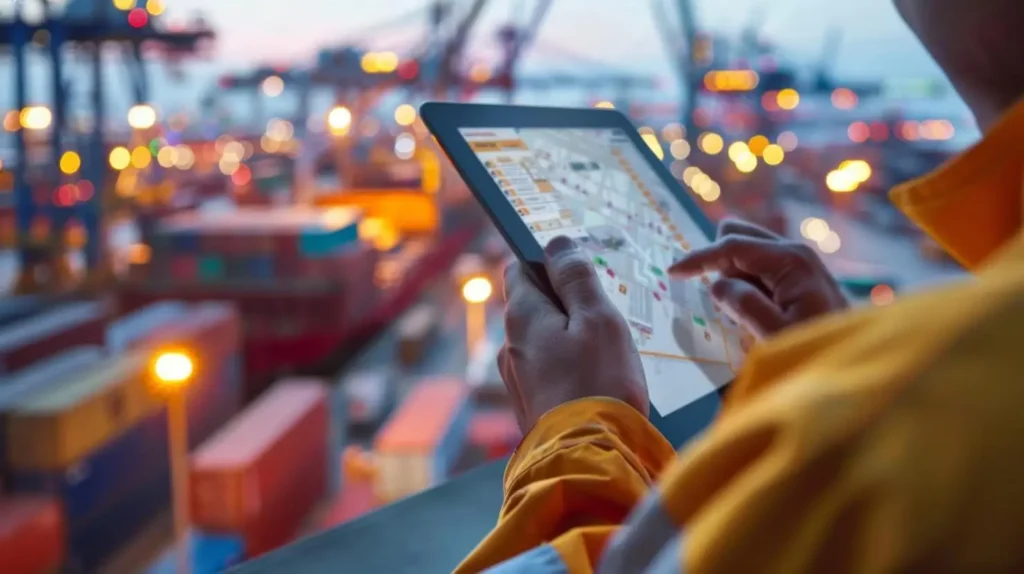
In the world of global shipping, things move fast. Every day, thousands of containers travel across oceans, highways, rail lines, and air routes. Businesses depend on these containers to deliver food, electronics, clothes, machinery, medical supplies, and so much more. But for many years, once a container left a port or warehouse, no one knew where it was until it arrived at the next stop.
This used to create a lot of problems—delays, lost items, misplaced cargo, and worried customers. But now things have changed. Thanks to technology, we have smart containers, and they are making shipping safer, faster, and more reliable.
In this blog post, you’ll learn what smart containers are, how they work, why businesses love them, and how they are shaping the future of global logistics.
What Are Smart Containers?
A smart container looks just like a regular shipping container from the outside. But on the inside, it has something special—smart sensors and tracking devices.
These sensors allow the container to:
Share its real-time location
Tell if the door has been opened
Report temperature or humidity inside
Detect shocks or sudden movements
Send alerts for delays or unexpected events
All of this information goes straight to a computer or mobile app, so companies can monitor their cargo from anywhere in the world.
Imagine it like this: A smart container is like giving your cargo a smartphone. It can “speak,” “text,” and “share updates” during the entire journey.
How Do Smart Containers Work?
Smart containers use several types of technologies to collect and send information. Here are the most common ones and how they help:
1. GPS Tracking
GPS tells the exact location of the container at all times. Whether the container is on a ship in the ocean or on a truck in a city, the system shows its live position on a map.
2. IoT (Internet of Things) Sensors
IoT sensors are tiny devices that measure things like:
Temperature
Humidity
Light
Air pressure
Door open/close status
Movement inside the container
These sensors share information in real time, allowing shipping companies to control the environment of the cargo.
3. Cellular and Satellite Networks
Smart containers send their data through mobile networks (4G/5G) or satellite systems when they are in remote areas. This means they stay connected almost everywhere.
4. Cloud Platforms
All the information collected from the container is stored in the cloud. This lets anyone with permission check updates anytime, anywhere.
Why Smart Containers Matter in Today’s World?
With global trade reaching new heights, companies must move goods quickly and safely. Smart containers help solve many of the biggest problems in shipping.
Here’s why they are becoming essential for modern logistics:
1. Better Visibility
Before smart containers, shipping companies often used guesswork. They had to rely on estimated arrival times. But now, businesses can track shipments live—just like watching a taxi on a map.
2. Less Risk of Theft or Loss
Smart containers alert companies if:
Someone tries to open the door
The container takes a strange route
The container stops for too long in a risky location
Early warnings help prevent theft and damage.
3. Protecting Sensitive Goods
Some goods are very sensitive, like:
Fresh food
Medicine
Chemicals
Electronics
These items can get damaged if the container becomes too hot, cold, or humid. Smart sensors constantly check the environment, and if something goes wrong, companies get alerts and can take action.
4. Faster Shipping Decisions
Because smart containers show real-time data, businesses can plan better. They can:
Adjust delivery routes
Find delays early
Update customers immediately
Manage supply chains more easily
This helps save time and money for everyone.
5. Fewer Delays
Shipping delays often happen because no one knows where the container is or what is happening to it. Smart tracking solves this by sharing exact updates.
Types of Smart Containers
Smart containers come in different types depending on the cargo they carry.
1. Temperature-Controlled Smart Containers
Used for:
Meat
Fruits
Ice cream
Vaccines
Medicines
These containers monitor and control temperature at all times.
2. Dry Cargo Smart Containers
Used for general items like:
Clothes
Furniture
Machinery
Sports equipment
They mainly track movement, location, and door activity.
3. Hazardous Goods Smart Containers
Used for dangerous cargo like chemicals or flammable products. They detect leaks, pressure changes, and temperature spikes.
4. High-Security Smart Containers
Used for valuable items like:
Electronics
Jewelry
Expensive machinery
They focus on security alerts and door monitoring.
Key Features of Smart Containers
Smart containers offer several powerful features that make shipping more reliable:
1. Real-Time Tracking
Shows the exact location every second.
2. Environmental Monitoring
Tracks temperature, humidity, and air quality inside the container.
3. Shock and Vibration Alerts
Notifies if the cargo experiences sudden movement that could cause damage.
4. Geo-Fencing
Creates virtual boundaries; alerts are sent if the container leaves its expected path.
5. Door Security Monitoring
Sends an alert if the door opens unexpectedly.
6. Predictive Analytics
Some advanced systems can even predict possible delays or risks.
Benefits of Using Smart Containers
Smart containers offer many advantages to shippers and customers. Let’s break them down in a simple way.
1. Improved Security
Cargo is safer because companies can track all activities and receive alerts instantly.
2. Reduced Losses
Companies can prevent damage before it happens by controlling temperature and responding quickly to changes.
3. Greater Customer Satisfaction
Customers love knowing where their shipment is and when it will arrive.
4. Better Planning and Efficiency
Businesses can use real-time updates to plan routes and avoid delays.
5. Lower Costs
By preventing losses, delays, and damage, companies save more money in the long run.
6. More Transparency
Everyone—from suppliers to buyers—can view the same data, making the shipping process more trustworthy.
Industries That Benefit from Smart Containers
Smart containers help a wide range of industries, such as:
1. Food and Beverage
Keeps food fresh by maintaining strict temperature control.
2. Pharmaceuticals
Ensures medicines stay safe and effective throughout the journey.
3. Electronics
Protects fragile and expensive items from damage.
4. Automotive
Ensures parts arrive on time for assembly lines.
5. Retail and E-Commerce
Helps businesses deliver goods quickly and accurately.
6. Chemicals
Monitors sensitive materials and prevents harmful situations.
Challenges Smart Containers Solve
Traditional containers bring several common issues:
Lack of tracking
Lost cargo
Spoiled goods
Late deliveries
Miscommunication
Customs delays
Security risks
Smart containers reduce or eliminate many of these problems by offering constant visibility and instant information.
The Future of Smart Containers
The future looks exciting for smart container technology. Here’s what we can expect:
1. More Artificial Intelligence (AI)
AI will analyze data and predict problems before they happen.
2. Blockchain Security
Blockchain will make shipping documents and tracking more secure and transparent.
3. Fully Automated Ports
Smart containers will work with automated cranes, trucks, and ships for smoother operations.
4. Green Shipping
Better tracking leads to optimized routes, saving fuel and reducing pollution.
5. Smarter Supply Chains
Companies will use real-time information to manage inventory more accurately.
Smart containers are not just a trend—they are the future of logistics.
Conclusion
Smart containers are transforming global shipping. They help companies track cargo in real time, reduce risk, protect goods, and improve customer confidence. With rising demand for fast and safe deliveries, smart containers are becoming a must-have for any business involved in international shipping.
As technology keeps improving, smart containers will continue to make global trade smoother, safer, and more efficient.
Need Safe, Fast, and Reliable International Shipping?
Choose ISLO Logistics — your trusted partner for international shipping services within the USA and worldwide.
Ship smarter. Ship with confidence. Ship with ISLO Logistics.
FAQ’s About Smart Containers Tracking Cargo in Real Time
1. What is a smart container?
A smart container is a shipping container with sensors and tracking devices that share real-time information about the cargo.
2. How does a smart container track cargo?
It uses GPS, IoT sensors, and networks like 4G/5G or satellite to send data.
3. Are smart containers more expensive?
They cost more than regular containers, but they save money by reducing delays and damage.
4. Who benefits from smart containers?
Industries like food, medicine, electronics, automotive, and retail benefit the most.
5. Can customers track their own shipment?
Yes. Many companies allow customers to see real-time tracking through an online portal or app.