
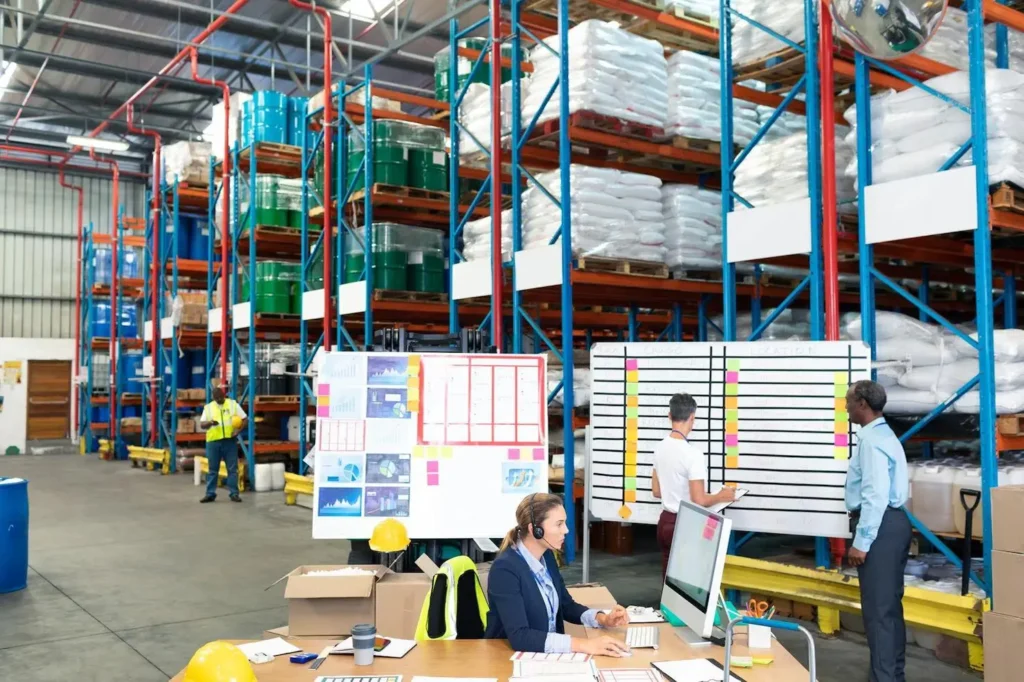
Global supply chains are the invisible networks that connect factories, markets, ports, suppliers, and customers all over the world. Every time someone buys a product—whether it’s a mobile phone, a pair of shoes, or a box of chocolates—that product has likely traveled across several countries before reaching the buyer. But there is one part of this journey that many people forget about: warehousing.
Warehousing may not be the most exciting part of global trade, but it is one of the most important. Without strong warehousing systems, products would not move smoothly, orders would be delayed, and companies would struggle to keep their customers happy. In simple words, warehousing works like the heart of the global supply chain. It receives products, stores them safely, and sends them out at the right time.
In this blog post, we will explore why warehousing is so vital, how it keeps supply chains running, and why companies around the world rely on efficient warehousing to stay competitive. Even if you’re not involved in logistics, this guide will help you understand how everyday items reach you quickly and safely.
What Is Warehousing?
Warehousing is the process of storing goods in a safe, organized, and controlled environment before they are shipped to the next destination. Think of it like a giant, well-organized closet where thousands of products are kept until someone needs them.
A warehouse is not just a large building filled with boxes. Today’s warehouses use advanced technology, smart systems, and trained professionals to handle goods quickly and accurately. Warehouses may include:
Heavy racks and shelves
Temperature-controlled rooms
Packing and labeling areas
Loading docks for trucks and containers
Robots and automated systems
Inventory software
Security cameras and tracking tools
Modern warehousing is fast, efficient, and essential for global trade.
Why Warehousing Matters in Global Supply Chains?
Global supply chains are complex. A single product may include raw materials from one country, components from another, assembly in a third country, and shipment to a customer thousands of miles away. In this long journey, warehousing acts as the anchor.
Here are the main reasons why warehousing is so important.
1. Warehousing Ensures a Steady Supply of Goods
Imagine going to a store and finding empty shelves. That would be frustrating, right?
Thanks to warehousing, products are stored ahead of time so stores, companies, and online marketplaces never run out of stock. When demand increases—like during holidays or special events—warehouses release extra products. This helps companies maintain stability and keeps customers satisfied.
Without warehouses:
Products would arrive late
Stores would constantly run out
Companies would lose money
Customers would be disappointed
Warehousing makes sure the supply chain never stops.
2. Warehousing Helps Reduce Transportation Costs
Transporting goods is one of the biggest expenses in global trade. Warehouses help reduce these costs in several ways:
Goods can be stored close to customers
Shipments can be combined to save money
Transport routes become more efficient
For example, instead of sending small shipments every day, a company can wait until the warehouse gathers enough products and send one large shipment. This saves money and reduces fuel usage.
In global supply chains, small savings make a big difference. Warehousing helps companies save millions by improving transport efficiency.
3. Warehousing Improves Order Accuracy
Have you ever ordered something online and received the wrong item? This usually happens when a company does not have a strong warehousing system.
Warehouses use barcodes, scanners, and inventory software to:
Track every item
Pick the correct product
Pack orders safely
Reduce human mistakes
This leads to faster and more accurate deliveries. For companies that ship thousands of orders every day, accuracy is everything. A single mistake can lead to returns, delays, and unhappy customers.
Good warehousing reduces mistakes and keeps the supply chain organized.
4. Warehouses Provide Safe Storage for Goods
Many products need special care. Warehouses protect goods from:
Heat
Cold
Moisture
Dust
Theft
Damage
Some warehouses even have climate-controlled rooms for items like food, medicine, electronics, and cosmetics.
Warehousing ensures that goods stay in perfect condition throughout their journey. This protects companies from losses and ensures customers receive high-quality products.
5. Warehousing Allows Businesses to Handle Market Changes
Markets change all the time. Sometimes demand increases. Sometimes factories face delays. Sometimes weather stops transportation.
Warehousing helps companies stay flexible during these disruptions.
For example:
If a factory shuts down temporarily, the warehouse can still supply products.
If demand suddenly rises, warehouses release extra inventory.
If transport routes are blocked, warehouses act as temporary holding areas.
Without warehousing, global supply chains would collapse every time something unexpected happens.
6. Warehousing Supports E-Commerce Growth
Online shopping is growing every year. Millions of people order products online every minute. But how do these orders reach customers so quickly?
The answer: efficient warehousing.
E-commerce warehouses are designed for:
Fast order picking
Quick packaging
Real-time inventory updates
Speedy delivery process
Companies like Amazon, Alibaba, and Walmart use advanced warehouses located close to customers to deliver orders within hours or days.
Warehousing is the backbone of the e-commerce revolution.
7. Warehousing Strengthens Global Trade
Global trade depends on smooth and reliable operations. Warehouses:
Store imported goods
Hold export shipments
Check product quality
Manage customs procedures
Handle packaging and labeling
Ports like Dubai, Singapore, Rotterdam, and Shanghai have some of the world’s most advanced warehousing systems. These warehouses ensure that millions of tons of goods move smoothly across the world every day.
Without effective warehousing facilities, international trade would slow down, and businesses would face delays and extra costs.
8. Warehousing Improves Customer Satisfaction
At the end of the day, customers want:
Fast delivery
Accurate orders
Safe and undamaged products
Good warehousing makes all of this possible.
When businesses store goods properly and dispatch them quickly, customers receive their orders on time. This builds trust and helps companies strengthen their brand.
Happy customers mean repeat business—and warehouses play a major role in creating this positive experience.
9. Warehousing Helps Companies Scale and Grow
A growing business needs space to store more goods. Warehousing gives companies room to expand without worrying about storage problems.
Businesses can:
Add new products
Enter new markets
Increase inventory
Serve more customers
Warehousing gives companies the power to grow confidently.
10. Warehouses Use Advanced Technology for Efficiency
Modern warehouses are no longer just large storage spaces. They use advanced technology like:
AI-based inventory software
Robotics
Smart scanners
RFID tracking
Conveyor belts
Automated picking systems
IoT sensors
These technologies help:
Reduce errors
Speed up operations
Improve safety
Lower costs
Increase transparency
Technology has turned warehousing into a smart, efficient, and high-performance part of the global supply chain.
Types of Warehouses in Global Supply Chains
Different industries need different storage solutions. Here are some of the main types of warehouses:
1. Distribution Centers
Fast-moving warehouses that store goods for short periods and ship them quickly.
2. Fulfillment Centers
Used by e-commerce companies to pick, pack, and ship online orders.
3. Cold Storage Warehouses
Used for food, medicine, and products that need controlled temperatures.
4. Bonded Warehouses
Used for goods that have not yet passed customs. Helpful in international trade.
5. Smart Warehouses
Fully automated with robots, sensors, and artificial intelligence.
6. Private and Public Warehouses
Private: Owned by companies Public: Shared by multiple businesses
Each type helps global supply chains move products efficiently.
How Warehousing Connects Every Part of the Supply Chain?
Warehousing plays a central role in the entire supply chain. It connects:
Suppliers
Manufacturers
Transporters
Ports and airports
Retailers
Online marketplaces
Customers
At every stage, warehousing ensures products are stored safely and released at the right time. Without this connection, the global supply chain would break down.
Why Companies Invest Heavily in Warehousing?
Companies across the world invest millions into warehousing because:
It improves efficiency
It reduces supply chain risks
It lowers transportation costs
It helps them stay competitive
It increases customer satisfaction
Strong warehousing means a strong business. Weak warehousing means delays, losses, and unhappy customers.
Conclusion
Warehousing is one of the most important parts of global supply chains. It keeps products safe, helps companies save money, makes deliveries faster, and ensures customers are always satisfied. From small online stores to giant multinational companies, every business depends on warehousing to move products smoothly around the world.
As global trade continues to grow, the role of warehousing will become even more important. With advanced technology and smarter systems, warehouses will continue to support the fast, efficient, and reliable supply chains that keep the world running.
Need Reliable Warehousing and Global Logistics Support?
Partner with ISLO Logistics Services Company—your trusted expert in safe storage, smooth distribution, and efficient supply chain solutions.
Move smarter. Store better. Grow faster with ISLO Logistics.
FAQ’s About Importance of Warehousing in Global Supply Chains
1. What is warehousing in simple words?
Warehousing means storing goods safely until they are needed for delivery or sale.
2. Why is warehousing important in global supply chains?
Because it keeps products organized, reduces delays, cuts transportation costs, and helps companies deliver goods on time.
3. How do warehouses help e-commerce?
Warehouses pick, pack, and ship online orders quickly so customers receive their items fast.
4. What types of warehouses are used in global trade?
Distribution centers, cold storage warehouses, bonded warehouses, fulfillment centers, and smart warehouses.
5. How does warehousing save money?
It reduces transport costs, prevents product damage, and helps companies manage inventory efficiently.