
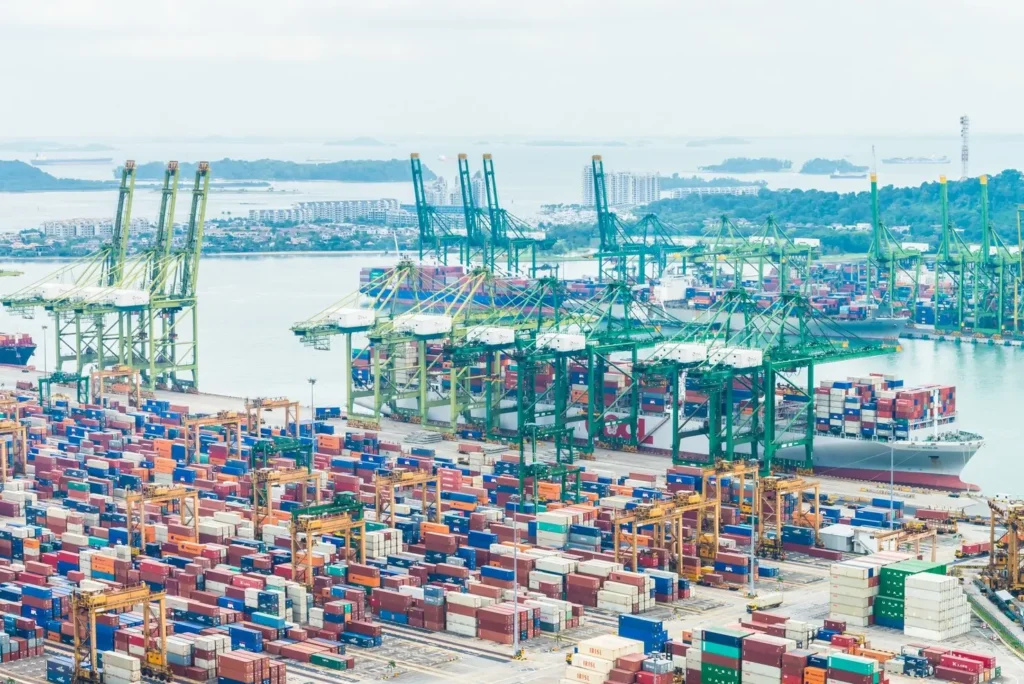
Every day, thousands of ships move across the oceans carrying goods from one country to another. These ships do not sail randomly. They travel between very important places called ports. Ports are where ships load and unload cargo such as food, clothes, cars, electronics, fuel, and raw materials.
Some ports are much busier than others. These are known as the world’s busiest ports. They handle millions of containers every year and play a huge role in keeping global trade running smoothly.
In this blog, we will explore what ports are, why they matter so much, and take a close look at the busiest ports in the world. We will also explain how these ports support businesses, jobs, and everyday life.
What Is a Port and Why Is It Important?
A port is a place near the sea where ships stop to load and unload cargo. Ports can be small, serving local areas, or very large, serving the entire world.
Ports are important because:
They connect countries through trade
They allow goods to move faster and cheaper
They support millions of jobs
They help businesses grow internationally
Without ports, global trade would be slow, expensive, and very difficult.
What Makes a Port “Busy”?
A port is called “busy” when it handles a large amount of cargo. This cargo is usually measured in TEUs, which stands for Twenty-foot Equivalent Units. One TEU is equal to one standard shipping container.
A busy port usually has:
A strategic location
Advanced cranes and technology
Strong road and rail connections
High shipping traffic
Efficient customs and cargo handling
Why the World’s Busiest Ports Matter in Global Trade?
The busiest ports are like the heart of global trade. When these ports work well, goods move smoothly. When they face problems, supply chains can slow down or stop.
Their importance includes:
Keeping global supply chains active
Reducing shipping costs
Supporting international businesses
Ensuring fast delivery of goods
Strengthening national economies
Port of Shanghai, China – The Busiest Port in the World
The Port of Shanghai has been the world’s busiest port for many years.
Why Shanghai Is So Important?
It connects China to over 600 ports worldwide
It handles more cargo than any other port
It supports China’s huge manufacturing industry
Key Facts
Located at the mouth of the Yangtze River
Handles over 47 million TEUs annually
Uses advanced automation and smart port systems
Shanghai helps move electronics, machinery, clothing, and household items to every corner of the world.
Port of Singapore – A Global Shipping Hub
The Port of Singapore is one of the most efficient ports in the world.
Why Singapore Stands Out?
Located on one of the busiest sea routes
Known for speed and reliability
Acts as a major transshipment hub
Key Facts
Connects Asia, Europe, and the Middle East
Handles around 39 million TEUs each year
Uses world-class logistics technology
Singapore’s port is a favorite stop for shipping lines because of its quick turnaround time.
Port of Ningbo-Zhoushan, China – A Growing Giant
The Port of Ningbo-Zhoushan is another major Chinese port that has grown rapidly.
Why It’s Important?
Close to China’s manufacturing centers
Deep-water port suitable for large ships
Strong export connections
Key Facts
Handles over 35 million TEUs annually
Specializes in bulk cargo and containers
Supports China’s export-driven economy
This port plays a key role in moving raw materials and finished goods worldwide.
Port of Shenzhen, China – Powering Tech Exports
The Port of Shenzhen serves one of China’s biggest technology hubs.
Why Shenzhen Matters?
Near major electronics factories
Supports global tech supply chains
Multiple terminals working together
Key Facts
Handles about 30 million TEUs annually
Ships electronics, machinery, and consumer goods
Connected to Hong Kong and southern China
Many smartphones, laptops, and gadgets pass through Shenzhen before reaching global markets.
Port of Guangzhou, China – Supporting Southern China
The Port of Guangzhou is one of China’s oldest and busiest ports.
Why It’s Important?
Serves southern China’s industries
Strong river and sea connections
Handles mixed types of cargo
Key Facts
Manages over 24 million TEUs yearly
Handles containers, cars, coal, and oil
Key port for China’s domestic trade
Guangzhou helps balance both international and local trade needs.
Port of Busan, South Korea – Northeast Asia’s Gateway
The Port of Busan is South Korea’s main shipping port.
Why Busan Is Important?
Key hub for Northeast Asia
Strong links to Japan, China, and Russia
High efficiency and modern facilities
Key Facts
Handles over 22 million TEUs annually
Major transshipment port
Supports South Korea’s export economy
Busan plays a big role in shipping cars, electronics, and industrial goods.
Port of Hong Kong – A Traditional Trade Leader
Although its ranking has slightly dropped, the Port of Hong Kong remains very important.
Why Hong Kong Still Matters?
Strong legal and financial systems
Trusted global trading center
Efficient customs processes
Key Facts
Handles millions of TEUs every year
Connects China with global markets
Known for reliability
Hong Kong has long been a bridge between East and West.
Port of Rotterdam, Netherlands – Europe’s Largest Port
The Port of Rotterdam is the busiest port in Europe.
Why Rotterdam Is Important?
Gateway to Europe
Strong inland transport network
Handles many types of cargo
Key Facts
Serves over 180 million consumers
Handles containers, oil, gas, and chemicals
Connected by road, rail, and river
Rotterdam keeps European trade flowing smoothly.
Port of Los Angeles, USA – America’s Busiest Port
The Port of Los Angeles is the largest port in the United States.
Why It Matters?
Main gateway for US-Asia trade
Supports American businesses and consumers
Handles a huge volume of imports
Key Facts
Handles around 9 million TEUs annually
Imports include electronics, furniture, and clothing
Exports include agricultural products
This port is vital for the US economy.
How Busiest Ports Impact Everyday Life?
Most people don’t realize how much ports affect daily life.
Ports help:
Stock supermarket shelves
Supply schools and hospitals
Support online shopping deliveries
Keep factories running
If ports stop working, prices can rise and goods can become hard to find.
Challenges Faced by the World’s Busiest Ports
Even the biggest ports face problems, such as:
Congestion and delays
Labor shortages
Environmental concerns
Cybersecurity risks
Weather disruptions
Ports are now investing in smart systems, automation, and green solutions to overcome these challenges.
The Future of Global Ports
The future of ports is changing fast.
We can expect:
More automation and robotics
Eco-friendly port operations
Faster customs clearance
Digital tracking of cargo
Smarter logistics planning
These changes will make global trade more reliable and sustainable.
How Logistics Companies Connect with Busy Ports?
Ports alone cannot move cargo. They work closely with logistics companies that handle:
Warehousing
Door-to-door delivery
A strong logistics partner ensures cargo moves smoothly from port to final destination.
Looking to Move your Cargo through the World’s Busiest Ports with Ease?
ISLO Logistics offers reliable international shipping, smart routing, and end-to-end cargo solutions to keep your goods moving safely and on time.
Contact us for smooth global trade without stress.
FAQ’s About World’s Busiest Ports
1. What is the busiest port in the world?
The Port of Shanghai in China is currently the busiest port in the world based on container volume.
2. Why are Chinese ports so dominant?
China has a strong manufacturing base, advanced infrastructure, and high export volumes, which makes its ports extremely busy.
3. What does TEU mean in shipping?
TEU stands for Twenty-foot Equivalent Unit. It is a standard way to measure container cargo volume.
4. How do busy ports help the global economy?
They allow goods to move quickly and cheaply between countries, supporting trade, jobs, and economic growth.
5. Can small businesses use major ports?
Yes. Small businesses often ship goods through major ports with the help of logistics companies like ISLO Logistics.