If you have ever ordered something online and had it delivered to your door, there is a good chance a third-party logistics (3PL) company played a role behind the scenes.
For beginners, the world of logistics can feel confusing. Words like warehousing, fulfillment, shipping, and supply chain often sound technical and overwhelming. But the idea of 3PL is actually quite simple—especially when explained in everyday language.
This beginner-friendly guide will walk you through what 3PL is, how it works, why businesses use it, and whether it’s right for your ecommerce business. Everything is explained in a clear, easy way—so even a 5th grader could understand it.
If you’re looking for a deeper explanation of services and use cases, you can also read our complete guide to 3PL services.
What Does 3PL Mean?
3PL stands for Third-Party Logistics.
To understand this, let’s break it down step by step.
-
First party: This is the manufacturer or seller. For example, an ecommerce store that sells clothes.
-
Second party: This is the transportation provider, such as a courier or shipping company.
-
Third party (3PL): This is a company that handles logistics tasks on behalf of the seller, including storage, packing, shipping, and sometimes returns.
In simple words:
A 3PL company helps businesses store products, pack orders, and ship them to customers.
Instead of doing everything themselves, businesses hire a 3PL to manage these tasks professionally.
Why Did 3PL Become So Popular?
In the past, many businesses stored products in their own warehouses and shipped orders themselves. This worked fine when order volumes were small.
But today:
-
Online shopping is growing fast
-
Customers expect fast delivery
-
Managing storage and shipping has become expensive and complex
This is where 3PL companies come in.
They already have:
-
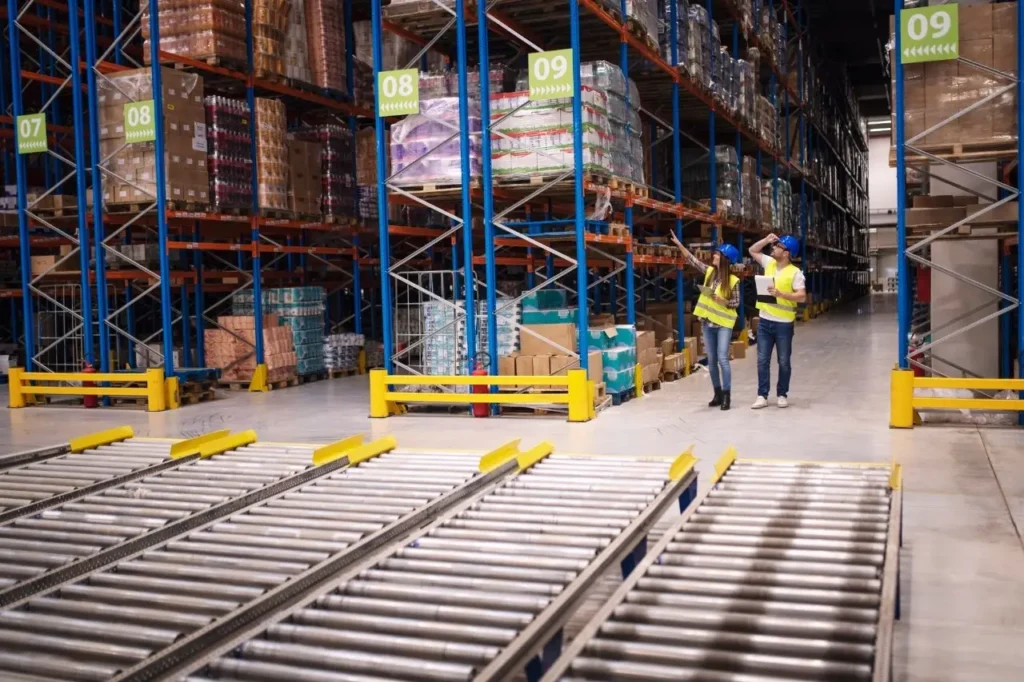
Warehouses
-
Trained staff
-
Shipping partnerships
-
Technology to track orders
So businesses can focus on selling and growing, while the 3PL handles logistics.
What Services Does a 3PL Company Provide?
A 3PL is not just about shipping. It usually offers a full set of logistics services.
1. Warehousing (Storage)
3PL companies store products in their warehouses. Instead of renting your own storage space, you pay only for the space you use.
This is especially helpful for:
-
Small ecommerce businesses
-
Seasonal sellers
-
Startups
2. Order Fulfillment
When a customer places an order:
-
The 3PL receives the order details
-
Picks the product from the warehouse shelf
-
Packs it safely
-
Ships it to the customer
This entire process is called order fulfillment.
3. Shipping and Delivery
3PL companies work with multiple courier partners. This helps businesses:
-
Get better shipping rates
-
Deliver orders faster
-
Reach customers in different cities or countries
4. Inventory Management
A good 3PL uses software to track:
-
How much stock you have
-
Which items are selling fast
-
When you need to restock
This reduces the risk of:
-
Running out of stock
-
Overstocking products
5. Returns Management (Reverse Logistics)
Handling returns can be stressful.
Many 3PLs also:
-
Receive returned products
-
Inspect them
-
Restock or dispose of items properly
How Does 3PL Work? (Step-by-Step)?
Let’s look at a simple example.
Imagine you run a small online store selling phone accessories.
Step 1: Send Products to the 3PL Warehouse
You send your products in bulk to the 3PL’s warehouse.
Step 2: Products Are Stored Safely
The 3PL stores your products and updates inventory records.
Step 3: Customer Places an Order
A customer orders a phone case from your website.
Step 4: Order Is Picked and Packed
The 3PL picks the phone case, packs it, and prepares it for shipping.
Step 5: Order Is Shipped
The package is shipped to the customer with tracking details.
Step 6: Customer Receives the Order
Fast, accurate delivery—without you touching the box.
If you want to understand the services involved in more detail, explore our detailed overview of 3PL services
Who Should Use 3PL Services?
3PL is useful for many types of businesses, but it is especially helpful for:
Small Ecommerce Businesses
If you don’t have space, staff, or time to manage logistics, 3PL is a smart choice.
Growing Online Stores
As orders increase, handling logistics in-house becomes difficult.
Businesses Selling Across Regions
3PL providers help deliver products nationwide or internationally.
Seasonal Businesses
You can scale storage and shipping up or down as needed.
Benefits of Using a 3PL Provider
1. Saves Time
You focus on marketing, sales, and customer service—not packing boxes.
2. Reduces Costs
No need to rent warehouses, hire staff, or buy packing equipment.
3. Faster Shipping
3PL companies already have systems to ship orders quickly.
4. Scalability
Easily handle 10 orders or 10,000 orders without stress.
5. Professional Handling
Experienced teams reduce errors and damaged shipments.
Are There Any Disadvantages of 3PL?
Like any service, 3PL has a few challenges:
-
Less direct control over shipping
-
Costs may increase if order volume is very low
-
Choosing the wrong 3PL can affect customer experience
That’s why it’s important to choose a reliable and experienced 3PL partner.
3PL vs In-House Logistics: A Simple Comparison
Staff You hire and train Provided by 3PL
Shipping Limited options Multiple carriers
Cost High fixed costs Flexible pricing
Scalability Difficult Easy
How to Choose the Right 3PL Partner?
Before choosing a 3PL company, ask these questions:
-
Do they specialize in ecommerce fulfillment?
-
Can they handle small business volumes?
-
Do they offer transparent pricing?
-
Do they provide tracking and reporting?
-
Is customer support responsive?
A good 3PL should feel like a partner, not just a vendor.
Why 3PL Is Perfect for Small Ecommerce Businesses?
Small ecommerce businesses often struggle with:
-
Limited space
-
High shipping costs
-
Slow delivery times
A trusted 3PL solves these problems by offering:
-
Affordable storage
-
Faster deliveries
-
Professional fulfillment
This allows small businesses to compete with bigger brands—without big investments.
Looking for a Reliable 3PL Partner for Your Small Ecommerce Business?
ISLO Logistics provides smart, affordable, and scalable 3PL solutions designed especially for growing online e-commerce stores. Let ISLO Logistics handle storage, fulfillment, and delivery—so you can focus on selling more and growing faster.
FAQ’s About What is 3PL
1. What does 3PL stand for?
3PL stands for Third-Party Logistics, which means outsourcing logistics services like storage, packing, and shipping to a specialized company.
2. Is 3PL only for big companies?
No. Many 3PL providers offer services specifically for small and medium ecommerce businesses.
3. How much does 3PL cost?
Costs depend on storage space, order volume, and services used. Most 3PLs offer flexible pricing.
4. Can a 3PL handle returns?
Yes, many 3PL companies offer returns and reverse logistics services.
5. Is 3PL safe for my products?
Reputable 3PL providers use secure warehouses, trained staff, and tracking systems to protect inventory.
6. When should I switch to a 3PL?
If order volumes are growing, storage is limited, or shipping is becoming stressful, it’s a good time to consider 3PL.