Shipping goods from one country to another is a big decision for any business. The way you move your products can affect how fast they arrive, how much money you spend, and how happy your customers are. Two of the most common shipping methods are sea freight and air freight. Each one has its own strengths and weaknesses.
Many businesses start with sea freight because it is cheaper and good for large shipments. But as a business grows, there are times when sea freight is no longer the best option. That is when companies begin to ask an important question: Should we switch from sea freight to air freight?
This article explains when businesses should switch from sea to air freight, why that switch makes sense, and how to decide what is best for your shipping needs. Everything is explained in simple language, without complicated terms, so anyone can understand.
Understanding Sea Freight and Air Freight in Simple Words
Before deciding when to switch, it is important to understand the basic difference between sea freight and air freight.
Sea freight means shipping goods by cargo ships across oceans. These ships can carry a huge amount of goods at one time. Because of this, sea freight is usually cheaper, especially for heavy or large shipments. However, ships move slowly, and delivery can take weeks.
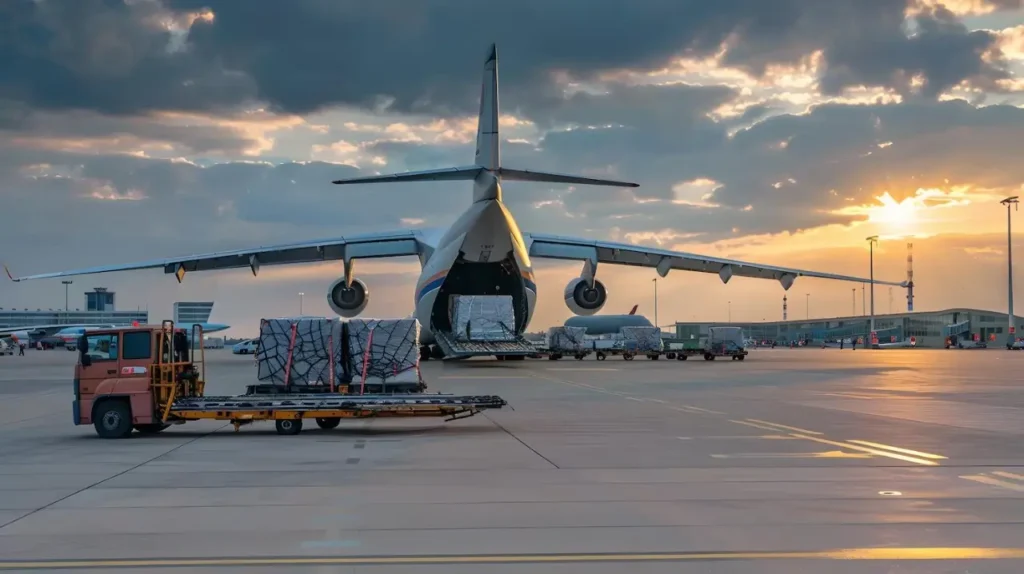
Air freight means shipping goods by airplane. Planes move very fast and can deliver goods in days instead of weeks. The downside is that air freight costs more and has limits on weight and size.
Most businesses do not choose one method forever. Instead, they change based on their situation, timing, and customer needs.
When Speed Becomes More Important Than Cost?
One of the biggest reasons businesses switch from sea to air freight is speed.
Sea freight is slow. A shipment from Asia to Europe or the Middle East can take several weeks. If your business suddenly needs products urgently, waiting that long may not be possible.
This often happens when:
Customers need fast delivery
A new product launch is approaching
Stores are running out of stock
Delays could cause loss of sales
In these situations, paying extra for air freight makes sense because it helps you avoid bigger losses. Missing sales, upsetting customers, or damaging your brand can cost much more than the higher shipping fee.
When time becomes more valuable than money, air freight is the better choice.
When You Are Dealing with High-Value Goods?
Not all products are the same. Some goods are cheap and easy to replace, while others are expensive and sensitive.
High-value goods such as electronics, medical equipment, luxury items, or specialized machine parts are often better shipped by air. These products benefit from faster transit times and better handling.
Sea freight involves long journeys, multiple port stops, and more handling. This increases the risk of damage, theft, or loss. Air freight reduces the time goods spend in transit, which lowers these risks.
Businesses often switch to air freight when the value of the shipment is high enough that safety and security matter more than shipping cost.
When Your Supply Chain Faces Unexpected Delays?
Supply chains do not always go as planned. Ports get congested, ships get delayed, and weather conditions can cause long waiting times.
If your business relies heavily on sea freight, even one delay can create serious problems. Factories may stop production, stores may run out of stock, and customers may cancel orders.
In such cases, air freight becomes a rescue option. Many businesses use air freight to fix problems caused by sea freight delays. Even if only part of the shipment is sent by air, it can help keep operations running smoothly.
Switching to air freight during emergencies helps businesses stay reliable and protect their reputation.
When Demand Suddenly Increases?
Sometimes demand rises faster than expected. A product may go viral, a seasonal rush may start early, or a big client may place a large order.
If your stock is arriving by sea, you might not be able to meet this sudden demand in time. Waiting weeks for sea shipments could mean losing customers to competitors.
Air freight allows businesses to respond quickly to changes in demand. Even though it costs more, it helps you take advantage of sales opportunities instead of missing them.
Many smart businesses plan ahead by using sea freight for regular supply and air freight when demand spikes.
When Products Are Seasonal or Time-Sensitive?
Some products are only useful for a short period. Fashion items, holiday decorations, promotional goods, and certain food products fall into this category.
If these items arrive late, they may lose most or all of their value. Shipping winter clothes after winter ends or holiday items after the season is over can be a costly mistake.
In such cases, air freight is often the better choice. Faster delivery ensures that products arrive on time and can be sold while demand is still high.
Businesses dealing with time-sensitive products often switch from sea to air freight as deadlines get closer.
When Storage Costs Become a Bigger Problem?
Sea freight may look cheaper at first, but it can increase other costs. Long transit times mean you need more inventory to cover the waiting period. This leads to higher storage, insurance, and handling costs.
Air freight reduces transit time, which means you can operate with lower inventory levels. For some businesses, the savings in storage and inventory management balance out the higher shipping cost.
When holding inventory becomes expensive or risky, switching to air freight can actually improve overall cost efficiency.
When Customer Expectations Change?
Today’s customers expect fast delivery. Online shopping and global competition have raised expectations across almost every industry.
If your competitors are delivering faster and you are still waiting on sea shipments, customers may choose them instead. This puts pressure on businesses to improve delivery times.
Switching to air freight helps meet these expectations and improves customer satisfaction. Happy customers are more likely to return, leave positive reviews, and recommend your business to others.
When customer experience becomes a top priority, faster shipping becomes a smart investment.
When Shipping Smaller or Lighter Shipments?
Sea freight works best for large, heavy shipments. But if your business starts shipping smaller or lighter goods more frequently, air freight may be more practical.
Sending small shipments by sea can be inefficient and slow. Air freight offers more flexibility and quicker delivery for these types of shipments.
As business models change, especially with e-commerce growth, many companies move from bulk sea shipments to frequent air shipments to stay flexible.
When You Need Better Tracking and Visibility?
Knowing where your shipment is at all times is important for planning and communication.
Air freight usually offers better tracking systems and more accurate delivery times. This makes it easier to plan sales, production, and distribution.
Sea freight tracking can be slower and less precise, especially during long ocean journeys.
When visibility and control become important, switching to air freight can make operations smoother and less stressful.
Using Both Sea and Air Freight Together
Switching does not always mean choosing one method forever. Many businesses use a mix of both.
They rely on sea freight for regular, non-urgent shipments and use air freight for urgent, high-value, or time-sensitive goods. This balanced approach helps control costs while staying flexible.
A reliable logistics partner can help design a shipping strategy that uses both methods wisely.
How ISLO Logistics Helps Businesses Make the Right Switch?
Choosing when to switch from sea to air freight is not always easy. It requires experience, planning, and a deep understanding of logistics.
ISLO Logistics, a trusted third-party shipping company, helps businesses make smart shipping decisions. From evaluating costs to managing urgent air shipments, ISLO Logistics ensures that goods move safely, quickly, and efficiently.
With expert guidance, businesses can avoid costly mistakes and choose the shipping method that fits their needs at the right time.
Need Faster, Smarter Shipping Decisions?
Get in touch with ISLO Logistics and let our experts help you choose the right freight solution—by sea, by air, or both—so your business never slows down.
FAQ’s About Switch from Sea to Air Freight
Is air freight always better than sea freight?
No. Air freight is faster, but it is more expensive. Sea freight is better for large, heavy, and non-urgent shipments. The best choice depends on your situation.
Can businesses switch temporarily to air freight?
Yes. Many businesses use air freight only during emergencies, peak seasons, or urgent situations, and then return to sea freight later.
Does air freight reduce the risk of damage?
In many cases, yes. Shorter transit times and fewer handling points reduce the chances of damage or loss.
Is air freight suitable for all products?
No. Very large, heavy, or low-value goods are usually better shipped by sea due to cost and size limits.
How can a logistics company help with this decision?
A logistics company like ISLO Logistics analyzes your shipment type, timeline, budget, and business goals to recommend the best shipping method.